Design-Led Weddings: When Architecture Shapes the Celebration
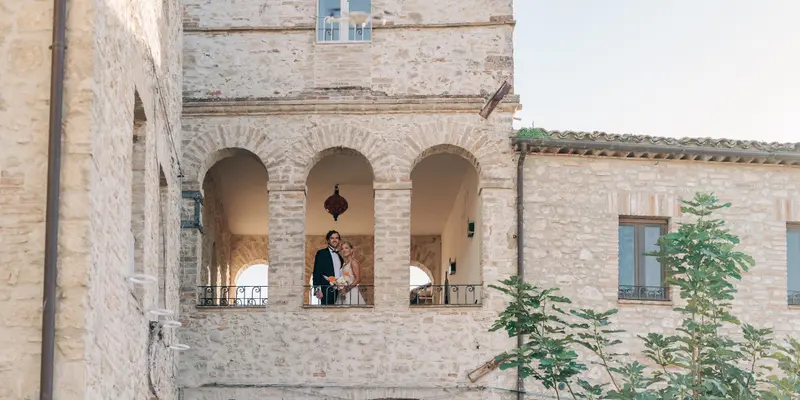
The venue was always thought of as a backdrop. For a growing number of couples, it is the opposite: the architecture is the first and most decisive design choice of the entire wedding, the one every other decision must answer to.
By Taiwo Adedayo · 2 July 2026 · 12 min
A wedding is usually designed from the flowers outward. The couple chooses a colour, a mood, a florist, a stylist, and the room is dressed until it matches the vision in their heads. The building is treated as a blank canvas, and a great deal of money is spent making it disappear behind the decoration.
What if the most important design decision of a wedding is one made centuries before the couple ever arrived?
A growing number of the most discerning couples now work the other way around. They begin not with a colour scheme but with a building, and they choose it precisely because it is not a blank canvas. The architecture is the first decision, and everything else, the flowers, the tables, the light, is chosen to answer to it rather than to cover it up.
This is the design-led wedding, and its central belief is quietly radical: that a room designed by a master, whether five hundred years ago or five, will always do more for a celebration than anything a couple can add to it.
The most beautiful weddings are not decorated. They are sited.
The Room Does the Work
Great architecture performs the tasks a wedding usually hires people to fake. Proportion does the work of drama. A room built to the right scale makes a hundred guests feel gathered rather than scattered, and no amount of draping can reproduce it. Light does the work of atmosphere. A window placed by an architect who understood the sun will flatter a room at six in the evening in a way no lighting designer can fully engineer. Material does the work of luxury. Marble, fresco, carved stone and aged timber carry a depth that printed backdrops and rented furniture only imitate.
The counterintuitive consequence is that the better the architecture, the less a wedding needs. A frescoed Renaissance hall does not want a flower wall in front of the fresco. A room of real proportion does not want to be broken up with staging. The design-led couple spends their budget differently: less on adding, more on choosing, and then on the restraint to leave a masterpiece largely alone.
This is why the venue, in these weddings, stops being a backdrop and becomes a collaborator. The building has a point of view. The task is not to override it but to marry into it.
The Inherited Masterpiece
The first and oldest way to do this is to marry inside a building whose design was finished centuries before you were born. The St. Regis Florence is a Renaissance palazzo on Piazza Ognissanti, standing directly above the Arno in the historic centre of the city. Restored to its original splendour, it gathers the frescoed Salone delle Feste and the stained-glass-domed Winter Garden beneath a single roof. A couple marrying here inherits, for a day, the work of the artists and architects who built Florence's idea of beauty. Nothing on the flower order will ever compete with the ceiling, and the wisest couples do not try.
The frescoed Salone delle Feste, The St. Regis Florence.
Villa Mangiacane, whose frescoed Renaissance loggia opens on three sides to the Chianti hills and, on a clear day, the distant Brunelleschi dome.
An hour south, Villa Mangiacane makes the point in the open air. The fifteenth-century Renaissance estate, once held by the Machiavelli family across several generations, is defined by a single architectural gesture: a frescoed loggia, arched and open on three sides to the vineyards of a six-hundred-acre Chianti Classico estate, facing a panorama that on clear days reaches the dome Brunelleschi raised over Florence. It is a room that was designed, six hundred years ago, to frame exactly the kind of view a couple now travels across the world to stand in front of.
The frescoed loggia at Villa Mangiacane, open on three sides to the Chianti hills.
The Authored Space
The second, newer way is to marry inside the vision of a living architect. Where the inherited masterpiece offers the authority of the past, the authored space offers something the past cannot: a building designed, now, by a named hand, for people who want their celebration to feel like the present rather than a costume drama.
Six Senses Southern Dunes, designed by Foster + Partners, its architecture drawn from the ancient Nabataean civilisation and set against the desert.
Six Senses Southern Dunes is the clearest example: a resort designed by Foster + Partners, one of the most celebrated architectural practices in the world, with interiors by Muza Lab, drawing its language from the ancient Nabataean civilisation of the surrounding desert. To marry here is to hold a wedding inside a building that will be studied in architecture schools. In a gentler register, JW Marriott Venice, reimagined by the architect Matteo Thun from a historic island complex in the lagoon, does the same thing on the water: a contemporary designer's hand laid, with care, over a place with centuries behind it.
The Uncomfortable Truth: When the Building Wins
There is a real danger in all of this, and honesty requires naming it. A great building can overwhelm a wedding as easily as it can elevate one. A couple who chooses a masterpiece and then fills it with the same maximal styling they would have used in a marquee ends up in a fight they cannot win, the fresco and the flower wall competing for the same eye, and the fresco winning every time. The room makes the styling look like clutter.
The discipline the design-led wedding demands is therefore subtraction, and it is harder than it sounds. It means trusting a room enough to under-dress it. It means a florist who works with the architecture rather than against it, and a couple confident enough to let the building be the most beautiful thing in the photographs. The venues are easy to book. The restraint to deserve them is the rare part.
The Architect in the Room
There is a useful way to think about a design-led wedding: the architect is a member of the planning team, whether they are alive to know it or not. At The St. Regis Florence, that collaborator is the guild of Renaissance craftsmen who raised the palazzo on the Arno and the artists who frescoed its ceilings, and every decision a couple makes in that room is a response to theirs. At Villa Mangiacane, it is the builders who, six centuries ago, opened a loggia on three sides to frame the Chianti hills, and who therefore decided, long in advance, where the most beautiful photograph of the day would be taken.
Where the building is new, the collaborator simply has a name and a telephone number. A couple marrying inside a Foster and Partners resort, or a complex reimagined by the architect Matteo Thun, is holding their celebration within a completed argument about how people should move through space and light. The work of the wedding is not to contradict that argument. It is to understand it, and then to add only what the architect left room for. The florist becomes a reader of the building. The planner becomes its interpreter. The couple, if they are wise, becomes its guest.
Why These Weddings Age Well
There is a particular quality to the photographs from a design-led wedding, and it takes a few years to become visible. Trends date. A palette that felt current will, within a decade, quietly announce the year it was chosen, the way a hemline or a typeface does. Architecture does not work this way. A frescoed hall or a considered modern room carries no season. It belongs to the century that made it, not to the twelve months in which a particular couple happened to marry there.
The result is a wedding that grows more elegant in memory rather than less. The images do not curdle into period pieces. They look, decades later, like what they always were: two people standing inside something built to outlast fashion. That is the quiet promise of choosing the building first. It is an insurance policy against your own taste, taken out on the assumption that a master's judgement will wear better than your own, which, in a beautiful room, it almost always does.
LWD Perspective
The future of the luxury wedding will be shaped, increasingly, by couples who understand that the most powerful design decision they make is the first one, and that it is architectural.
Whether they inherit a Renaissance palazzo or commission themselves into a Foster + Partners building, the principle is the same. The venue is not a stage to be dressed but a work to be joined. The couples who understand this spend less on decoration and more on discernment, and their weddings age the way great buildings do, looking, decades later, like they belong to no particular year at all.
The venue is not where the wedding happens. In the best design-led weddings, it is the reason the wedding looks the way it does.
The Design-Led Wardrobe
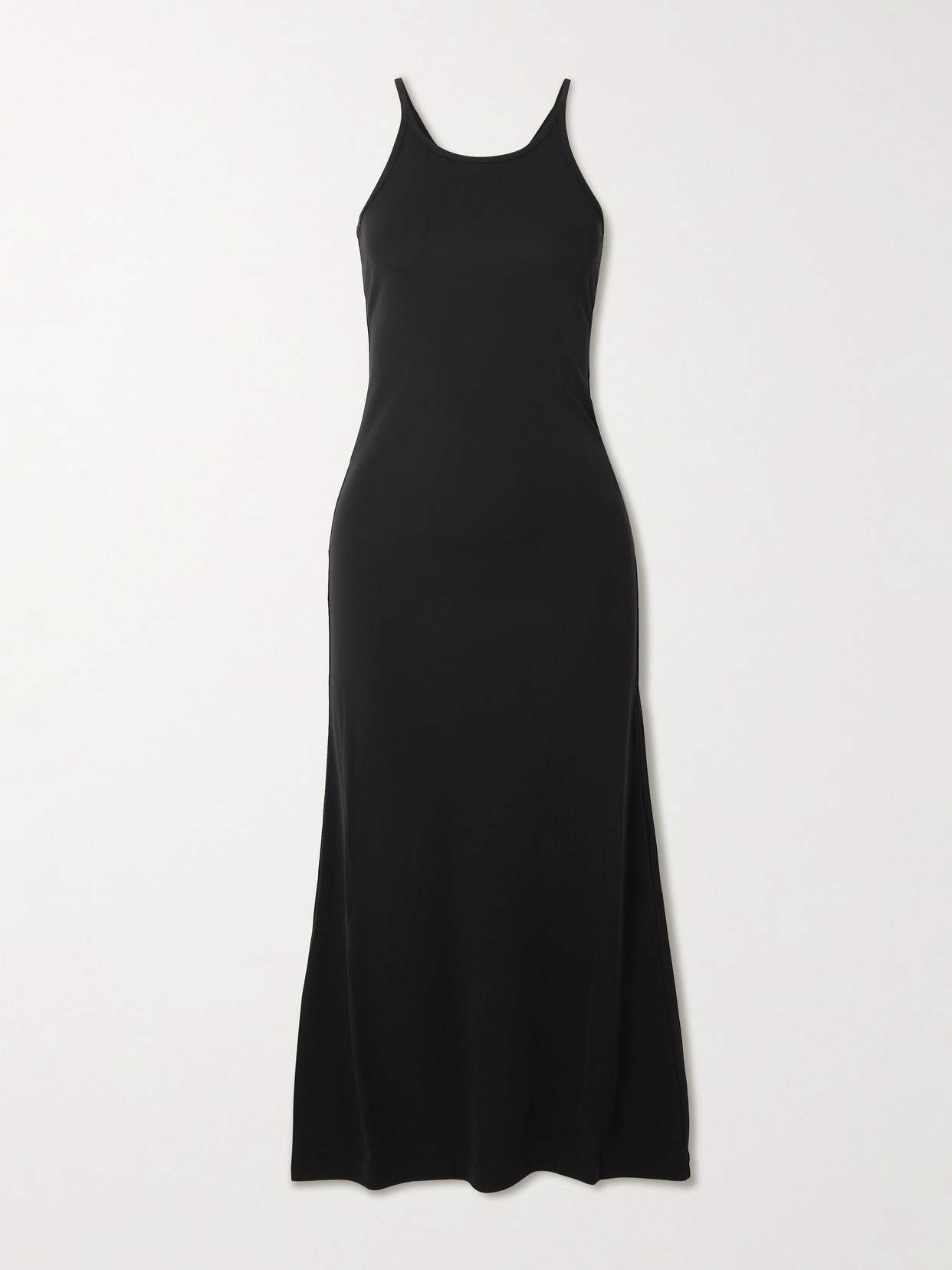
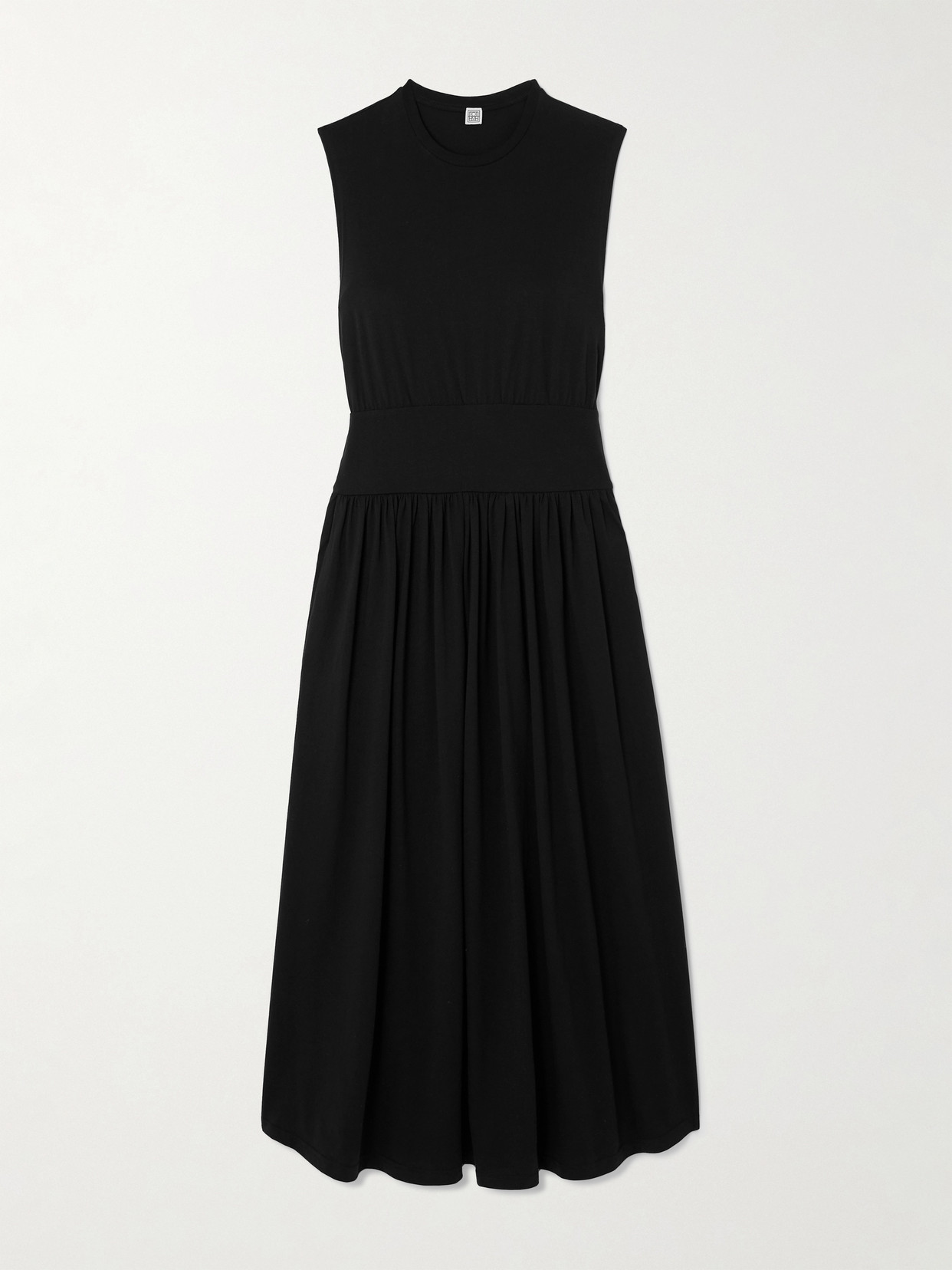
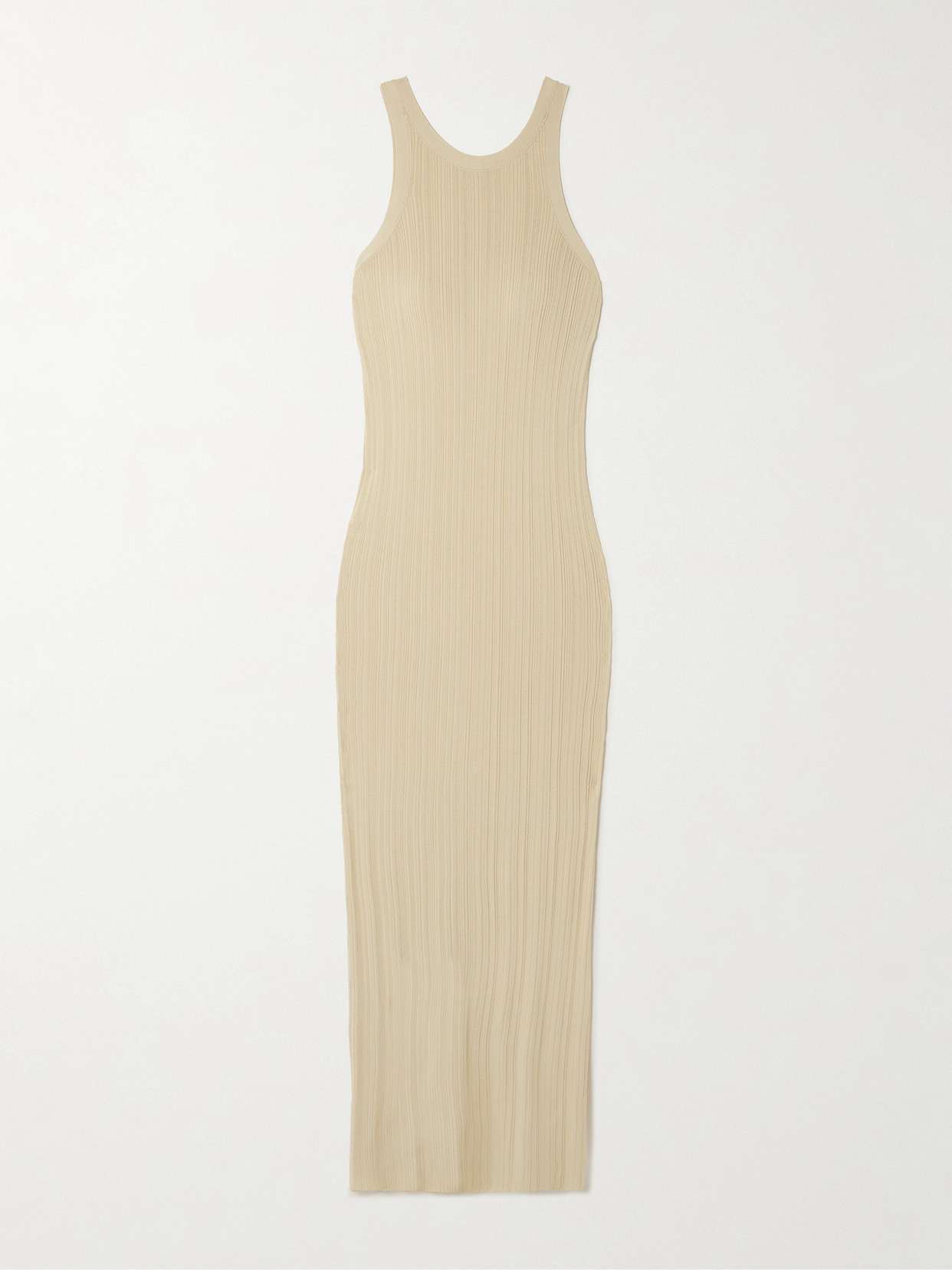
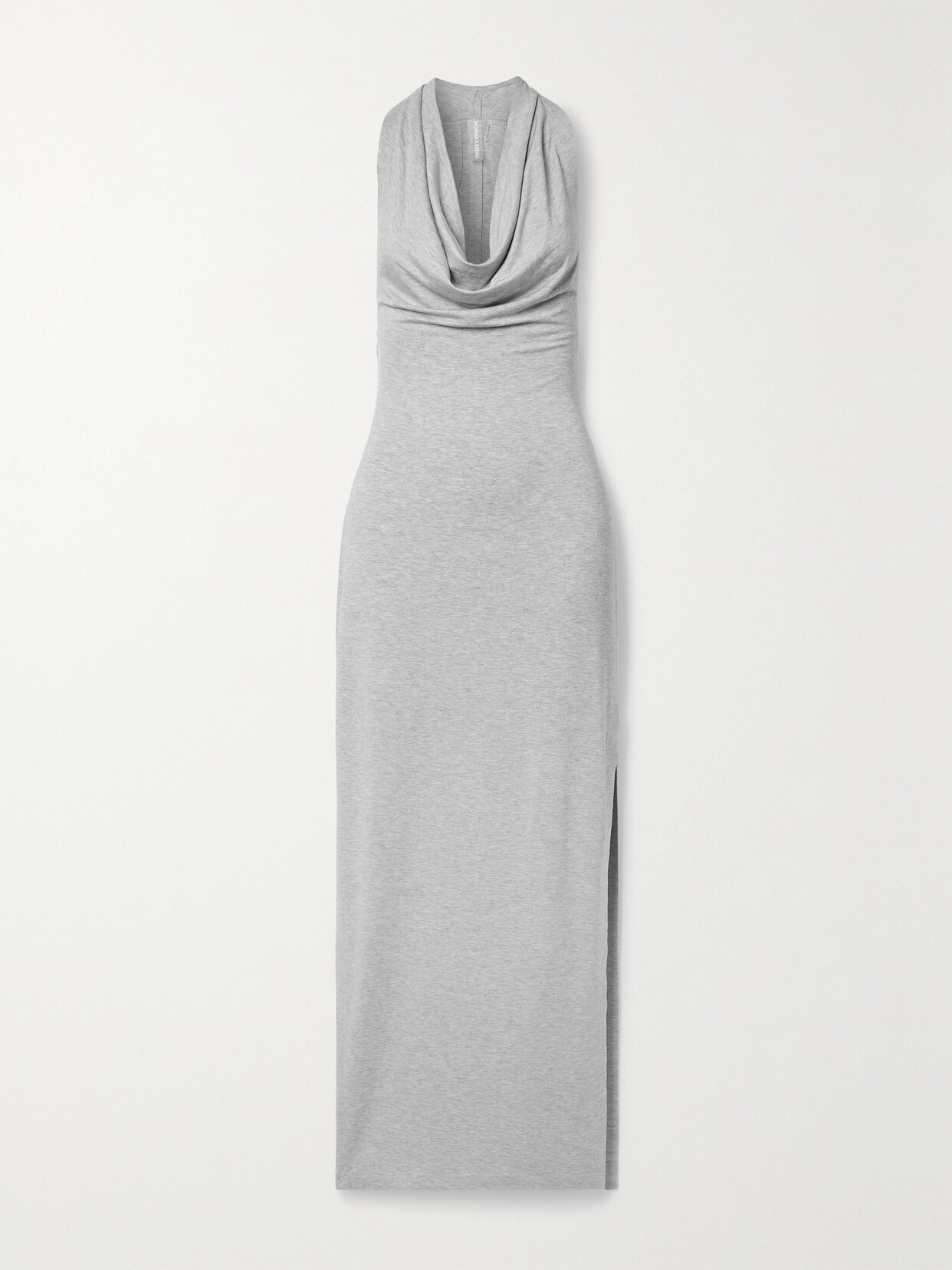
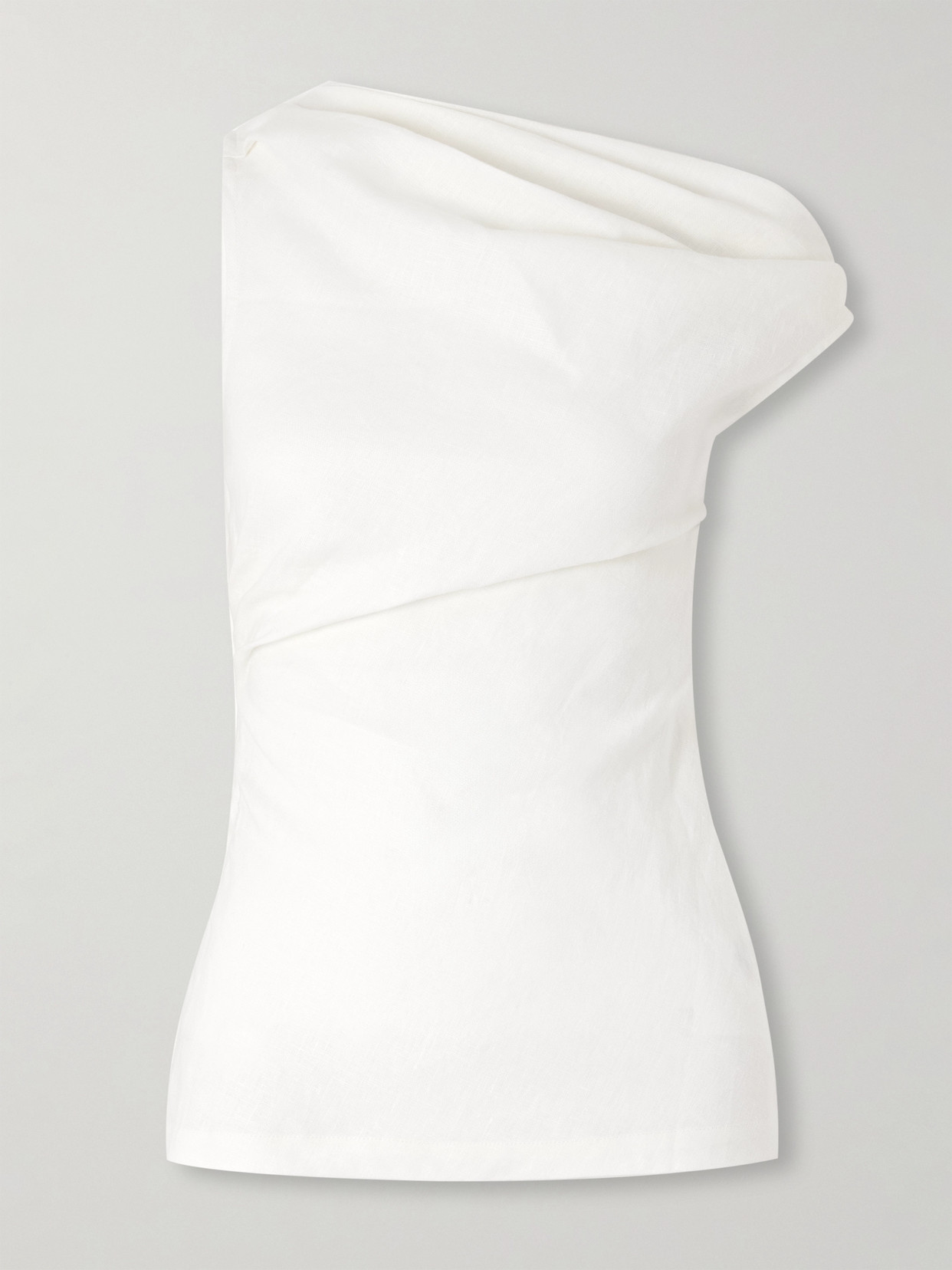
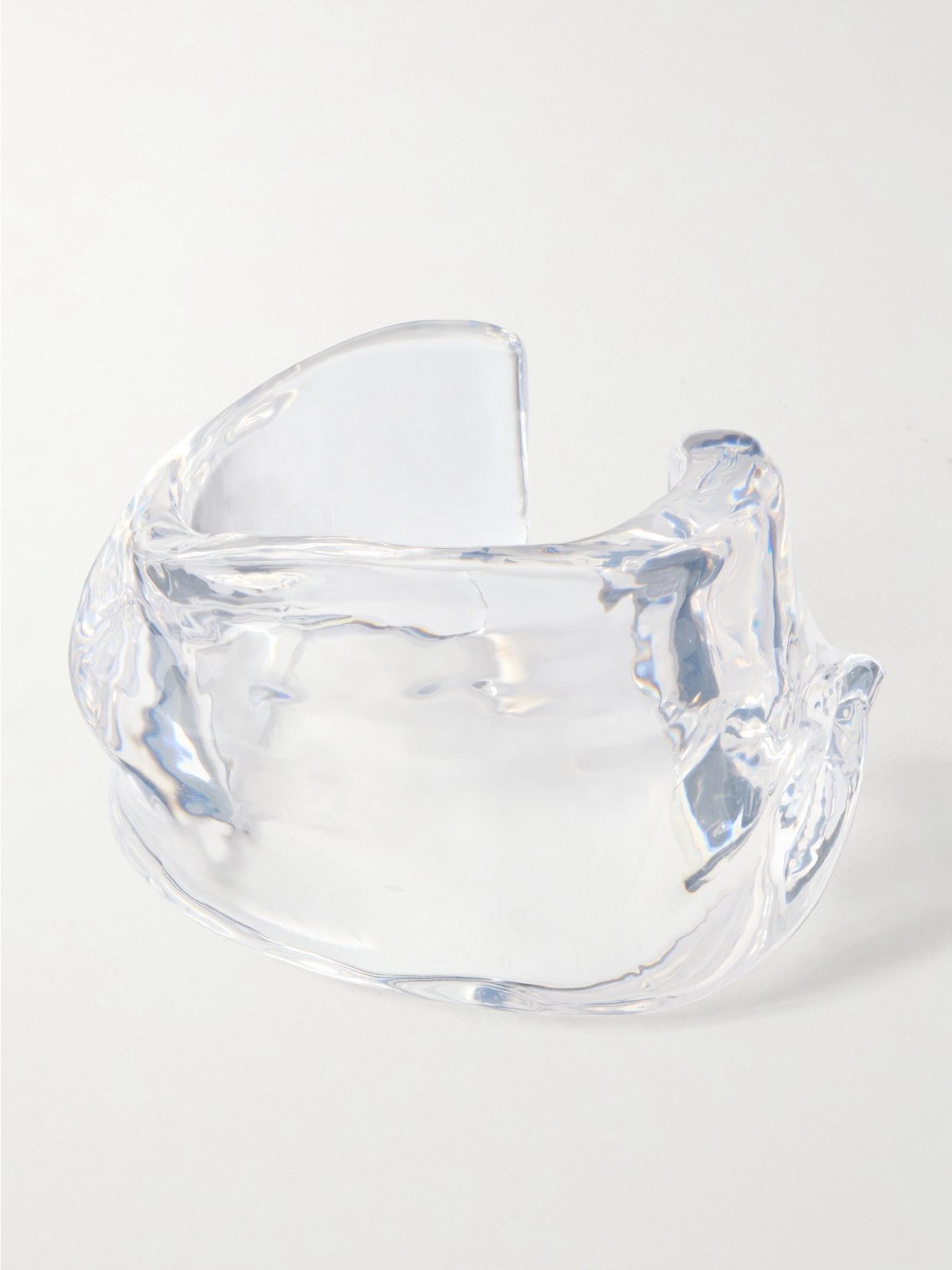
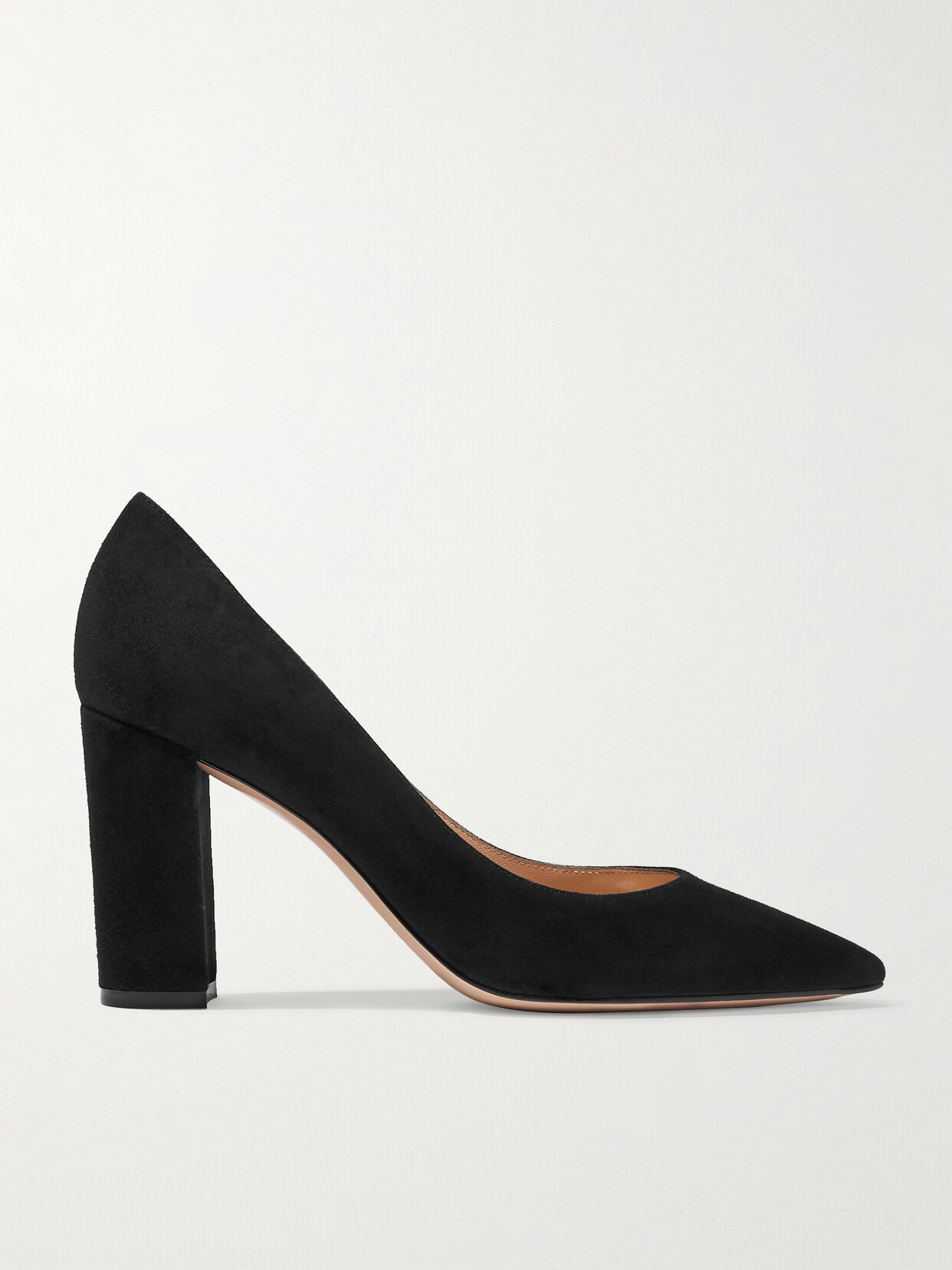
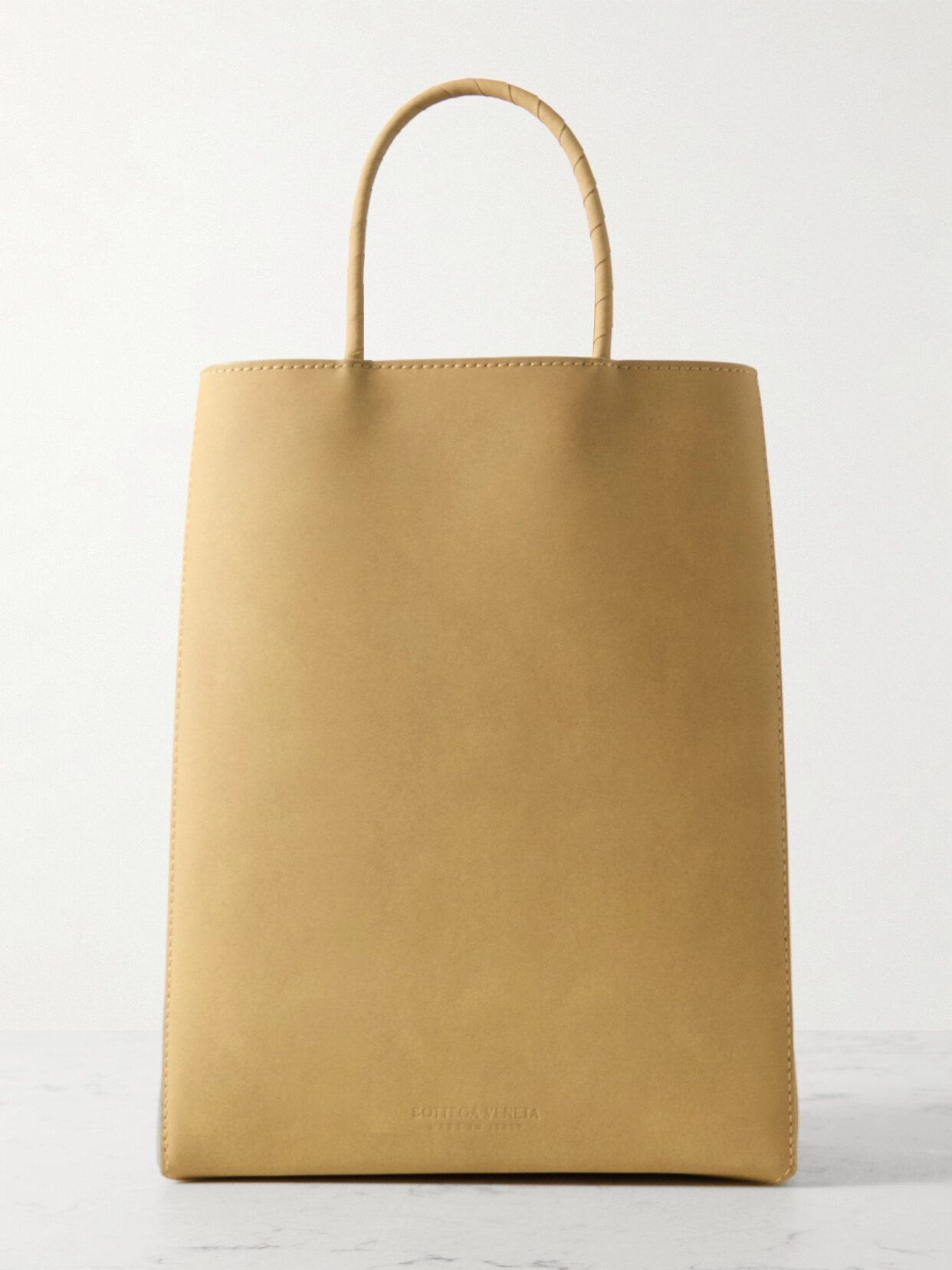
Dressing for an architectural wedding follows the same logic as the wedding itself: structure over decoration. Clean lines, sculptural silhouettes and a few considered pieces that hold their own shape, chosen to stand in a beautiful room without competing with it.
Structure and Line
Sculptural silhouettes and clean, considered pieces. Fashion that shares the architecture's confidence in form over ornament.
The Wedding Weekend Revolution: Why One Day Is No Longer Enough Why Quiet Luxury Has Changed Destination Weddings The Wellness Wedding: Why the New Luxury Is Leaving Restored, Not Exhausted
Written by
Taiwo Adedayo
Founder & Editor-in-Chief
Taiwo Adedayo is the founder and Editor-in-Chief of Luxury Wedding Directory. With a decade of experience covering the world's most extraordinary celebrations, he leads the editorial vision of LWD: defining what luxury means for the modern couple.
Filed under
Share
The LWD Edit
You May Also Like
Destinations
Getting Married in Umbria
LWD Team·11 min read
Destinations
Getting Married on Lake Como
LWD Team·10 min read
Venues
Kasbah des Caïds
The Editorial Team·5 min read
Venues
Finca La Concertista: An Exclusive-Use Olive Grove Wedding in the Penedès
The Editorial Team·5 min read
Venues
Burlamacchi Villas
The Editorial Team·5 min read
Venues
Casale de' Pasquinelli: A Tuscan Villa Wedding in the Hills of Lucca
The Editorial Team·5 min read
Venues
Villa Paola
The Editorial Team·5 min read
Venues
The Chedi Luštica Bay
The Editorial Team·5 min read
Venues
Castello di Montignano: An Exclusive Castle Wedding in the Hills of Umbria
The Editorial Team·5 min read
Venues
Castello di Solfagnano
The Editorial Team·5 min read
✦We use cookies
We use essential cookies to make our site work, and optional cookies to personalise content and improve your experience. By clicking Accept All, you agree to our use of cookies. · Cookie Policy