The Most Beautiful Château Wedding Venues in France
From the Rothschilds’ palace outside Paris to a Second Empire château above the Bay of Cannes, France has more great wedding houses than any country in Europe. A guide to the most beautiful château venues, by region, with the costs, the seasons, and the one legal rule every couple must understand.
No country owns the château the way France does. There are reckoned to be more than forty thousand of them, fortresses, hunting lodges, Renaissance pleasure-houses, Belle Époque follies, and a remarkable number open their doors, and their parks, to weddings. To marry in a French château is to borrow several centuries of grandeur for a single day: the gravel sweep, the avenue of limes, the painted salons, the formal gardens unrolling toward a lake. This is a guide to the most beautiful of them, region by region, and to the practical truths, especially the legal one, that turn a château fantasy into a wedding that actually happens.
Le Petit Versailles of the Riviera, Château Saint Georges, Grasse
A château offers something a hotel ballroom never can: a complete world, taken whole. The best of them are let on an exclusive-use basis, which means the house, its bedrooms, its gardens and its grounds belong to the couple and their guests for the duration, usually two or three nights, not a single afternoon. The wedding stops being an event squeezed into a venue and becomes a house party with a marriage at its centre: an arrival dinner the night before, the ceremony in the park, the feast in a frescoed salon, breakfast on the terrace the morning after. The architecture sets the tone, and the privacy sets the mood.
France’s châteaux also come in astonishing variety, and the right one depends entirely on the wedding you imagine. A Rothschild palace near Paris speaks a different language from a Provençal bastide or a Riviera folly above the sea. The smart way to plan is to choose the region first, for its light, its climate, its food and its travel logic, and then the house within it.
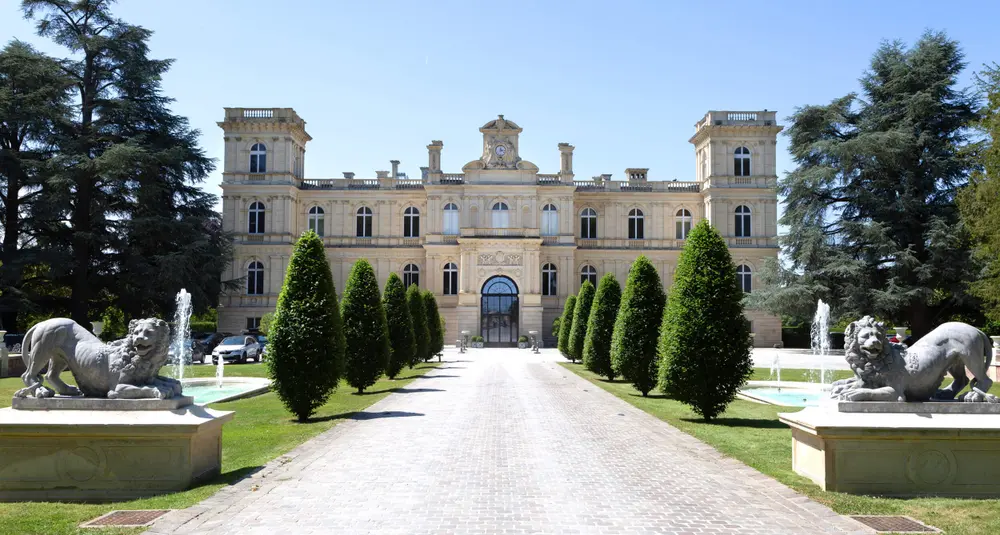
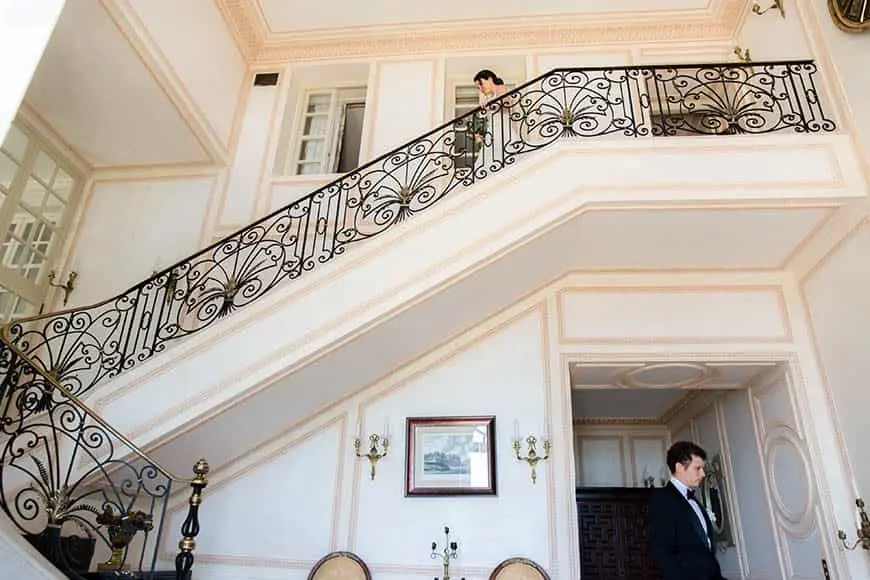
Château de Ferrières
Château Saint Georges, Grasse
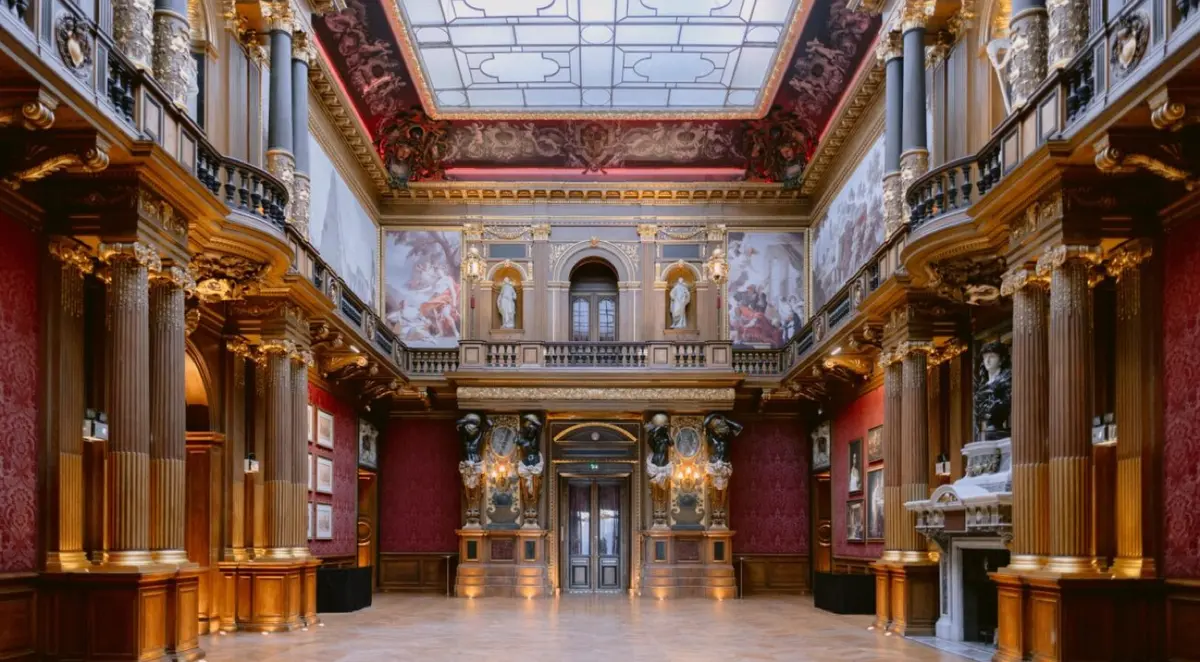
For couples who want grandeur within an hour of the capital, the great houses of the Île-de-France are unmatched. The archetype is Château de Ferrières, the colossal nineteenth-century palace built for Baron James de Rothschild, the largest and most lavish château of its era, set in a park east of Paris. Its Hall of Honour rises through the centre of the house beneath a glass roof; its salons are hung with painted ceilings and gilt; the park runs down to a lake where ceremonies are staged in the open air. It is the closest thing in France to marrying inside a Second Empire fairy tale, and its proximity to Paris and the airports makes it one of the most practical grand venues for an international guest list.
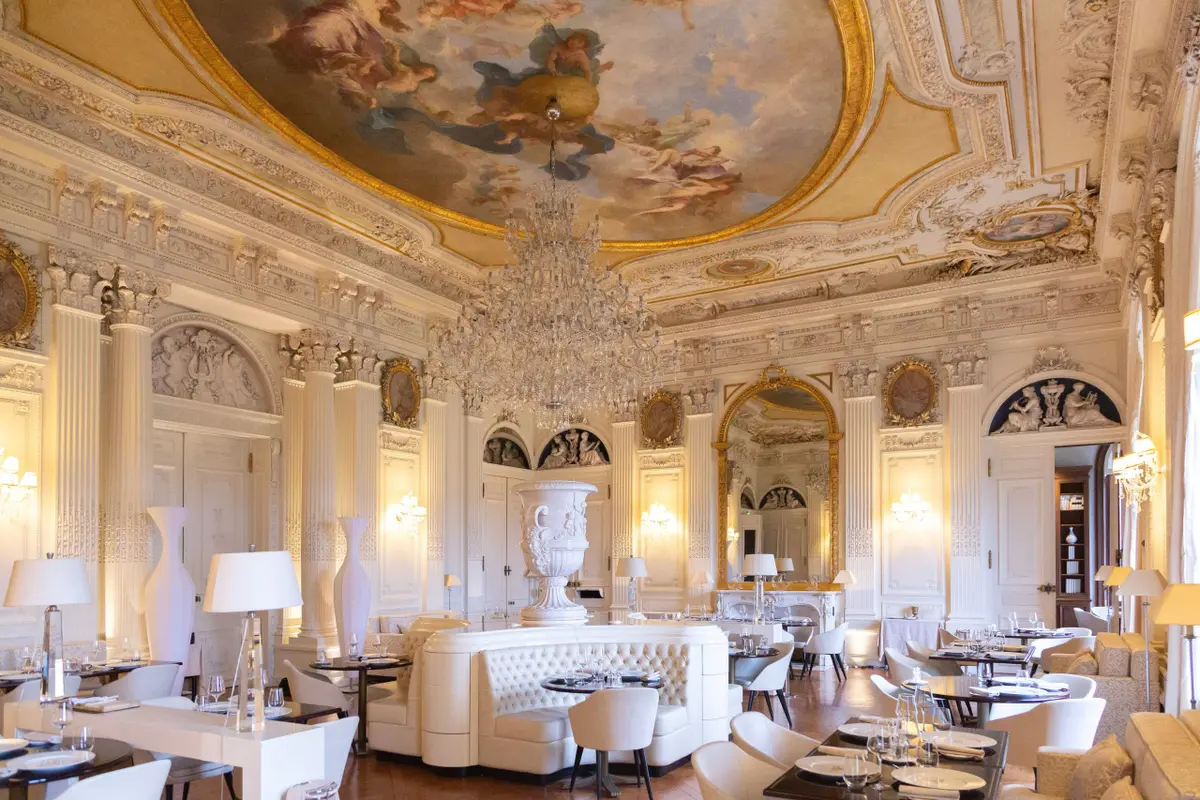
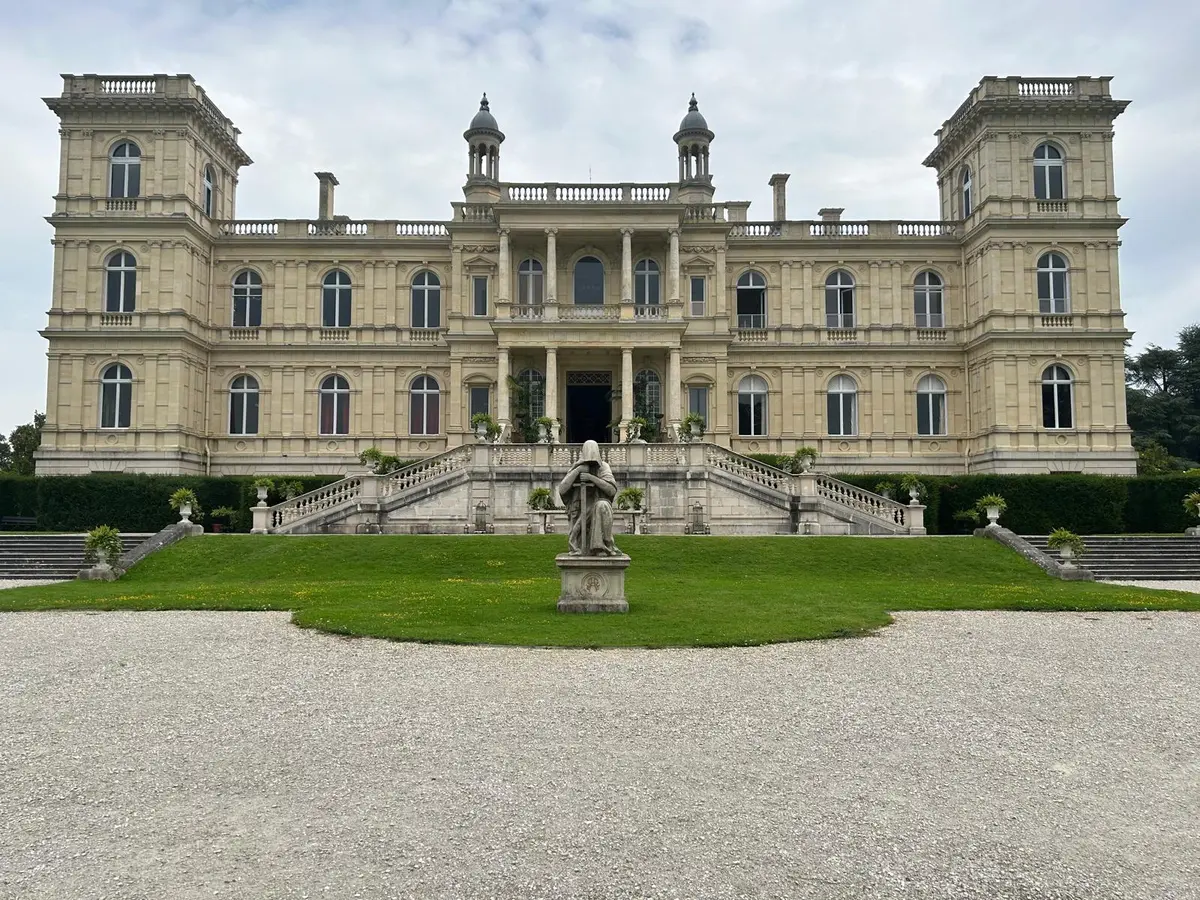
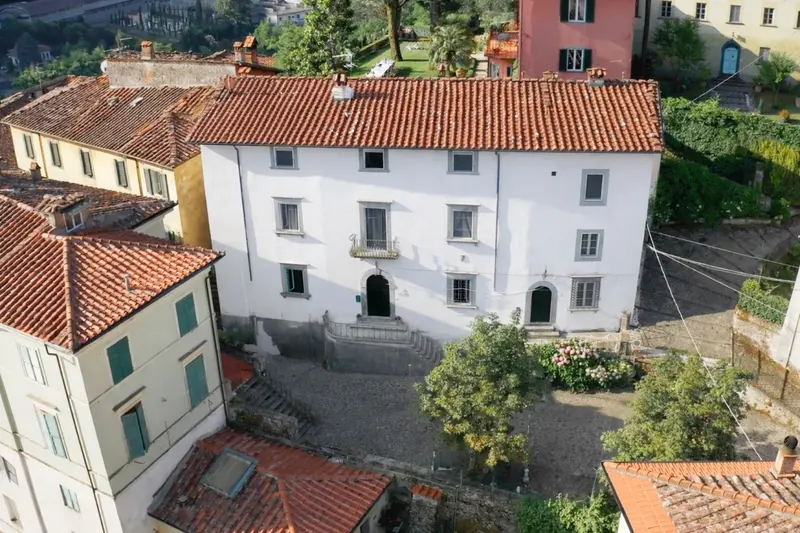
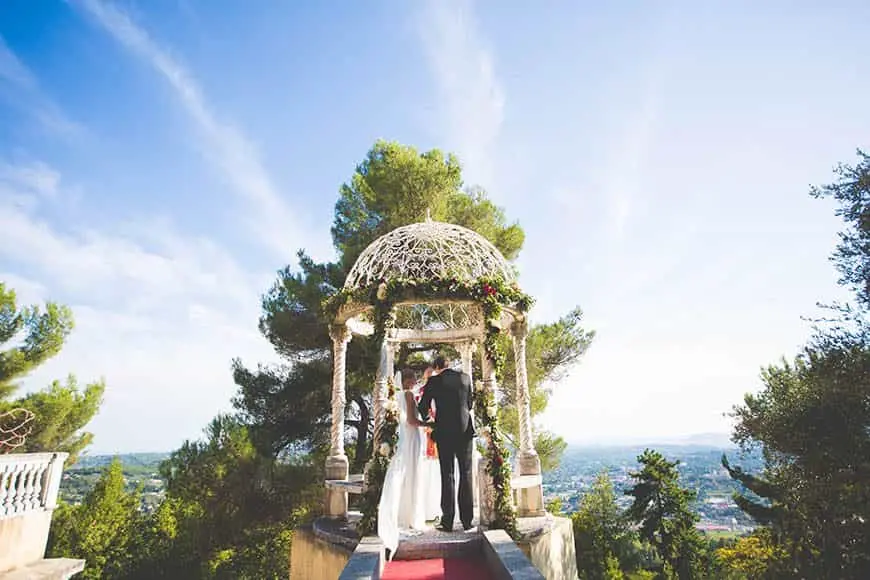
The Côte d’Azur adds the Mediterranean to the château equation. Above Grasse, the perfume capital, in the hills behind Cannes, stands Château Saint Georges, a Second Empire house so ornate it is known locally as the Petit Versailles of the Riviera. Its formal gardens descend in terraces toward a view of the Bay of Cannes, complete with a circular Temple of Love among the parterres; ceremonies take place on the lawns, dinners on the panoramic terrace as the coast lights up below. This is the Riviera château at its most romantic: the grandeur of the north with the warmth, the light and the sea of the south.
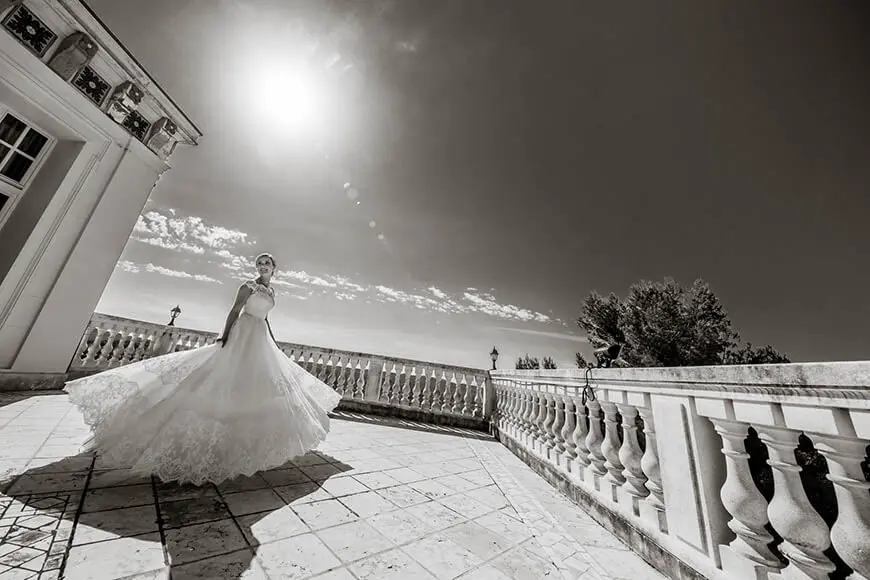
The formal gardens and the Temple of Love, Château Saint Georges, Grasse
A château is not a backdrop you hire for an afternoon. It is a world you move into for a weekend, and a wedding it carries from the arrival dinner to the last breakfast.
On marrying in FranceThe south-west offers a softer, more contemporary register. On the shore of the Bassin d’Arcachon, an hour from Bordeaux and its vineyards, Villa la Tosca is an early twentieth-century villa, built in 1903, with a romantic tower, set in gardens that run almost to the beach. It marries the wine-country sensibility, long tables, local oysters and Bordeaux from estates down the road, with the rare luxury of a private waterfront at sunset. It is a château wedding for couples who want elegance without formality, and the Atlantic light is some of the most beautiful in France.
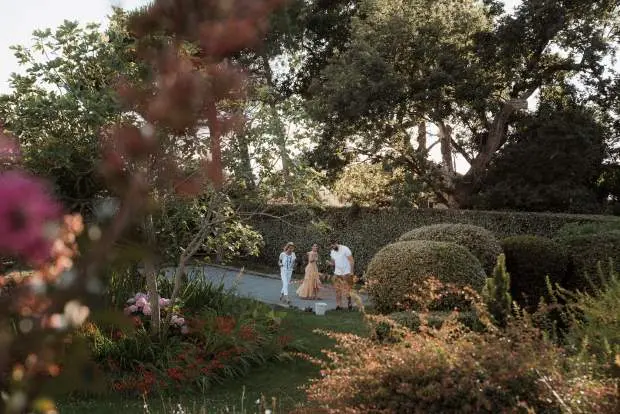
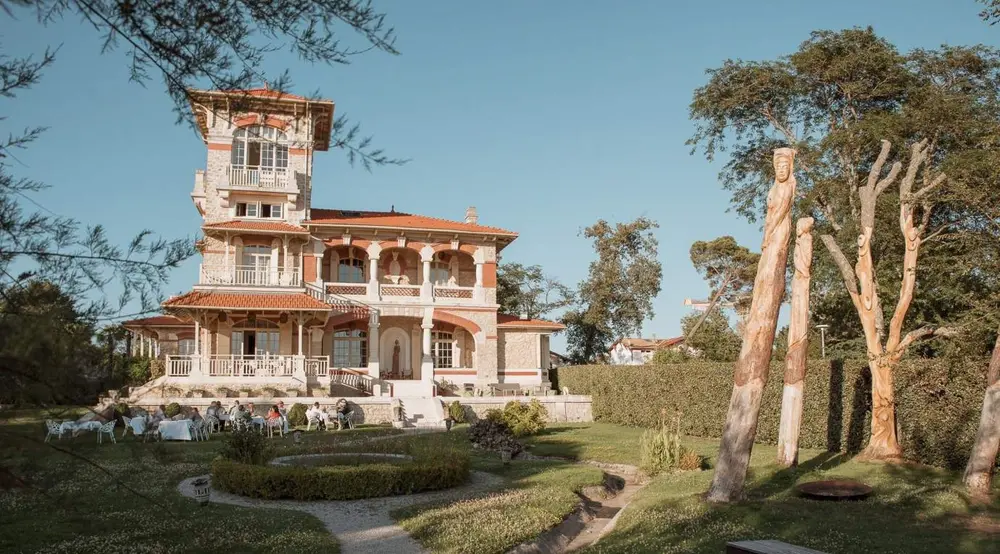
Villa la Tosca, Arcachon
Villa la Tosca, Arcachon
Deep in the Charente, between Bordeaux and the Loire, Domaine des Étangs is a different proposition again: a thousand-hectare estate of forest, meadow and lakes, the étangs that give it its name, gathered around a restored medieval château, now part of the Auberge Resorts Collection. Guests stay in the château and in a scattering of converted farmhouses across the land; the wedding can take the whole domain, with ceremonies by the water and dinners in the great rooms or under the stars. For couples who want seclusion, nature and a sense of having the countryside of France entirely to themselves, there is nothing quite like it.
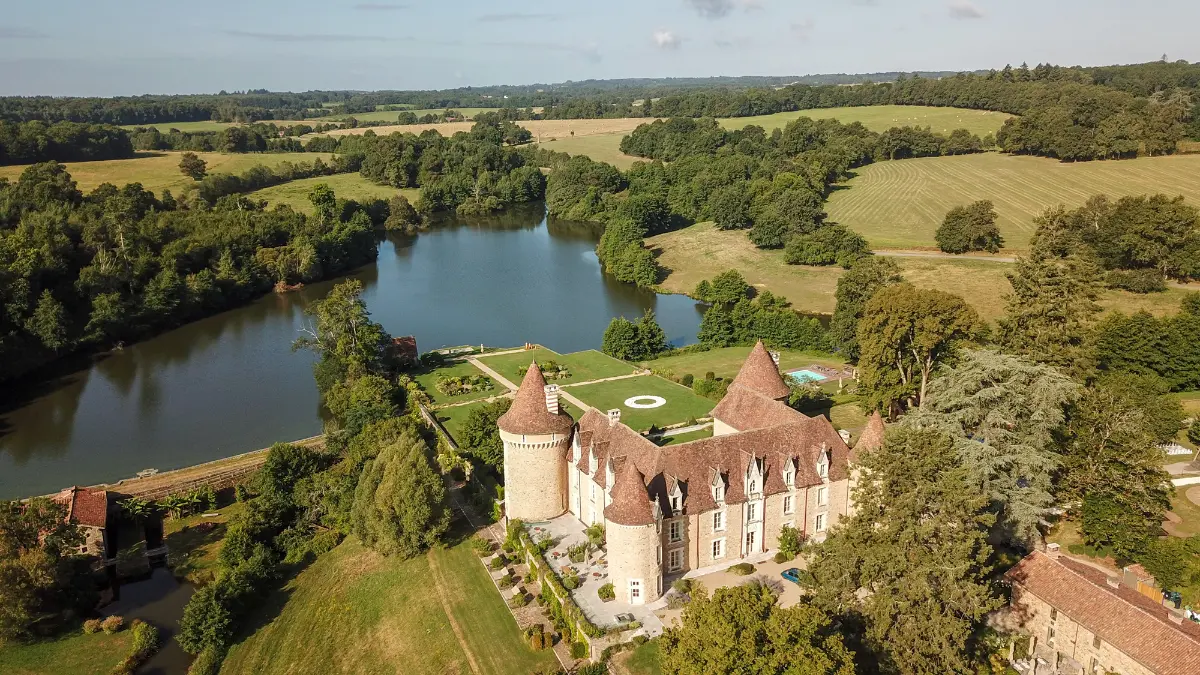
A medieval estate of forest and lakes, Domaine des Étangs, Charente
Beyond the houses above, two regions deserve a place in any couple’s thinking. The Loire Valley is the spiritual home of the French château, Chenonceau arched over its river, Chambord with its double-helix staircase, Azay-le-Rideau on its island, and a string of smaller private châteaux in the same idiom welcome weddings amid the vineyards of Vouvray and Sancerre. Provence trades turrets for bastides and the scent of lavender and cypress: honey-stone mas and wine domaines around the Luberon and Aix that deliver the château weekend in a sun-drenched key. The principle holds wherever you look: choose the region for how it will feel, then find the house.
Château weddings span a wide range, driven mostly by the prestige of the house and the length of the stay. For a wedding of around a hundred guests, a realistic all-in budget, exclusive-use hire, catering and wine, flowers and production, planner, music and photography, typically runs from €60,000 at a charming regional château to €150,000–€300,000+ at a landmark house near Paris or on the Riviera. Exclusive-use hire alone commonly falls between €15,000 and €60,000 for a two-to-three-night takeover; catering at this level runs €200–€400 per head with wine.
Two French particularities are worth budgeting for. Many châteaux are let “dry”, the house and grounds only, so catering, furniture, lighting, marquees and even kitchens are brought in, which gives total creative freedom but adds production cost. And accommodation matters: a grand château may sleep only thirty or forty in the house itself, so a larger party means nearby hotels and transport. A planner who knows the house will tell you, honestly, where the money actually goes.
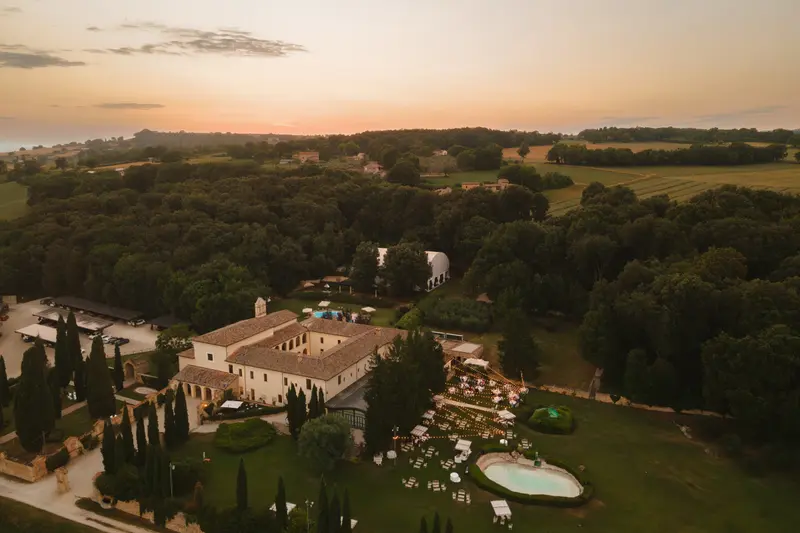
The park from the air, above the Bay of Cannes, Château Saint Georges
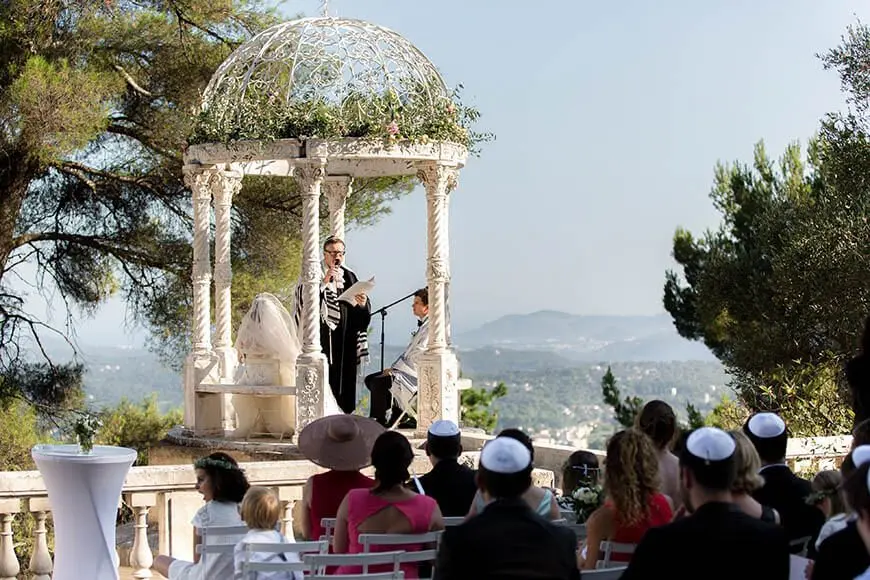
This is the detail that catches couples out, so plan around it from the start. France does not permit a legally binding wedding to be conducted by anyone other than a French civil registrar, at a town hall (mairie), and it requires that one of the couple has lived in that commune for around 30 to 40 continuous days before the ceremony. For most international couples that residency requirement is impractical. The near-universal solution, and there is no shame in it, is to complete the legal marriage quietly at home, before or after, and to hold a symbolic ceremony at the château. The symbolic ceremony carries no paperwork and total freedom: it can be held anywhere on the estate, led by whomever you choose, in any form you like. French couples and residents who can meet the residency rule marry at the mairie first and celebrate at the château after. Your planner will confirm the right path for your nationality and timeline.
The French wedding season runs May to September, with June and September the connoisseur’s months, warm, long-lit, the gardens at their peak, and July and August the hottest and busiest. The south (Riviera, Provence) extends comfortably into early October; the north and the Loire are at their loveliest in late spring and early autumn. Book the great houses early: the landmark châteaux release a limited number of Saturdays a year, and the best dates at the most beautiful of them go eighteen months to two years ahead.
"Marry the region first, the house second. France will give you the grandeur; the place decides how the day feels."
- Rothschild palace, Île-de-France
- Second Empire château, Riviera
- Auberge Resorts estate, Charente
- Waterfront villa, near Bordeaux
- Coastal Provence
The editorial team at Luxury Wedding Directory, profiling the world's finest wedding venues and creatives.