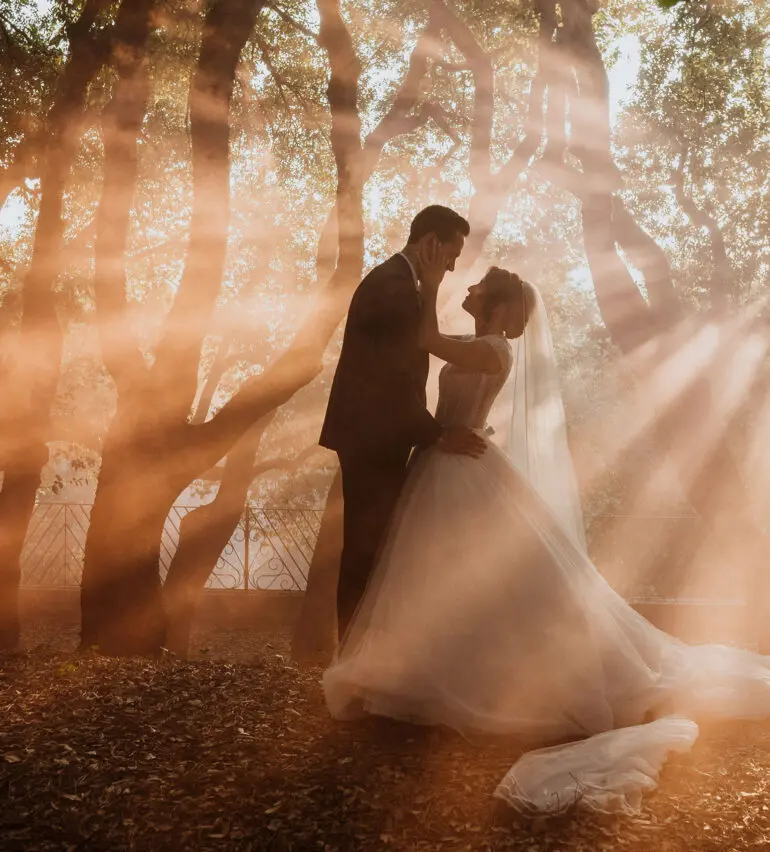
The Wellness Wedding: Why the New Luxury Is Leaving Restored, Not Exhausted
The wedding designed to dazzle is giving way to the wedding designed to restore. Across the thermal hills of Tuscany and the spa-led estates of the Mediterranean, a quieter proposition is taking hold: a celebration you recover from feeling better than when you arrived.
By Taiwo Adedayo · 2 July 2026 · 12 min
For most of modern history, the measure of a great wedding was how much it took out of everyone.
Can a wedding leave everyone who attends it feeling better than when they arrived?
The late nights. The early mornings. The third consecutive day of celebration that left guests grateful, exhausted and quietly relieved to be going home. The wedding was a marathon, and surviving it was part of the story.
A different idea is now taking its place, and it is being led by exactly the couples who could most afford the marathon. The most discerning celebrations are no longer designed to deplete their guests. They are designed to restore them. The spa is no longer where the bride hides for an hour before the ceremony. It is increasingly the reason the venue was chosen at all.
This is the wellness wedding, and it is not a spa treatment bolted onto a party. It is a shift in what luxury is understood to mean.
The greatest luxury is no longer how much a celebration gives you to do. It is how well it leaves you.
Why Wellness Became the New Luxury
The context is a wellness economy that has stopped being a niche and become one of the largest consumer categories on earth. According to the Global Wellness Institute's 2025 Monitor, the global wellness economy reached 6.8 trillion dollars in 2024 and is forecast to reach 9.8 trillion by 2029, having grown almost 8 percent in a single year. Wellness is no longer a lifestyle segment. It is a way affluent people now spend.
Two figures inside that number matter most for weddings. Wellness tourism, the business of travelling in order to feel better, grew 13.8 percent year on year, among the fastest-recovering categories in the whole economy. And thermal and mineral springs, the oldest form of wellness travel there is, grew 11.1 percent, with the Institute forecasting roughly 10 percent annual growth through the end of the decade. The couple choosing a thermal-spring estate for their wedding is not chasing a trend. They are joining one of the most durable movements in modern travel.
Underneath the data is a change in psychology. For a generation raised on burnout, health has quietly become the ultimate status symbol, more aspirational than any object. The affluent traveller no longer wants to be seen spending. They want to be seen recovering. A wedding that sends its guests home rested, well-fed and unhurried now signals something a fireworks finale cannot: that the hosts had the confidence to prioritise how people felt over how much they were shown.
What a Wellness Wedding Actually Involves
Strip away the marketing and the genuine version of this is specific. It shows up first in pace. A wellness wedding has fewer events and more space between them. The packed itinerary that runs from breakfast to 2am is replaced by a rhythm that assumes people need to rest, move and eat well in order to enjoy the moments that matter.
It shows up in the programming that surrounds the ceremony: morning movement or yoga before the day begins, sound baths and breathwork for guests who want them, thermal bathing and cold plunges, nutrition-led menus designed to sustain rather than sedate, and a growing acceptance of the low- and no-alcohol celebration, where the bar is no longer the only social centre of gravity. None of these are fringe. They are now standard offerings at serious luxury hospitality, which is precisely why they have migrated into weddings.
And it shows up, most of all, in the choice of place. A wellness wedding cannot happen at a venue that can only host a party. It requires somewhere built, often over centuries, for the body to be looked after.
Thermal Tuscany: The Oldest Wellness Wedding There Is
If the wellness wedding has a spiritual home, it is the thermal hills of southern Tuscany, where the Romans were already bathing in mineral springs two thousand years before the word wellness existed. This is the point worth making plainly: the most fashionable idea in modern weddings is, in Tuscany, the oldest idea there is.
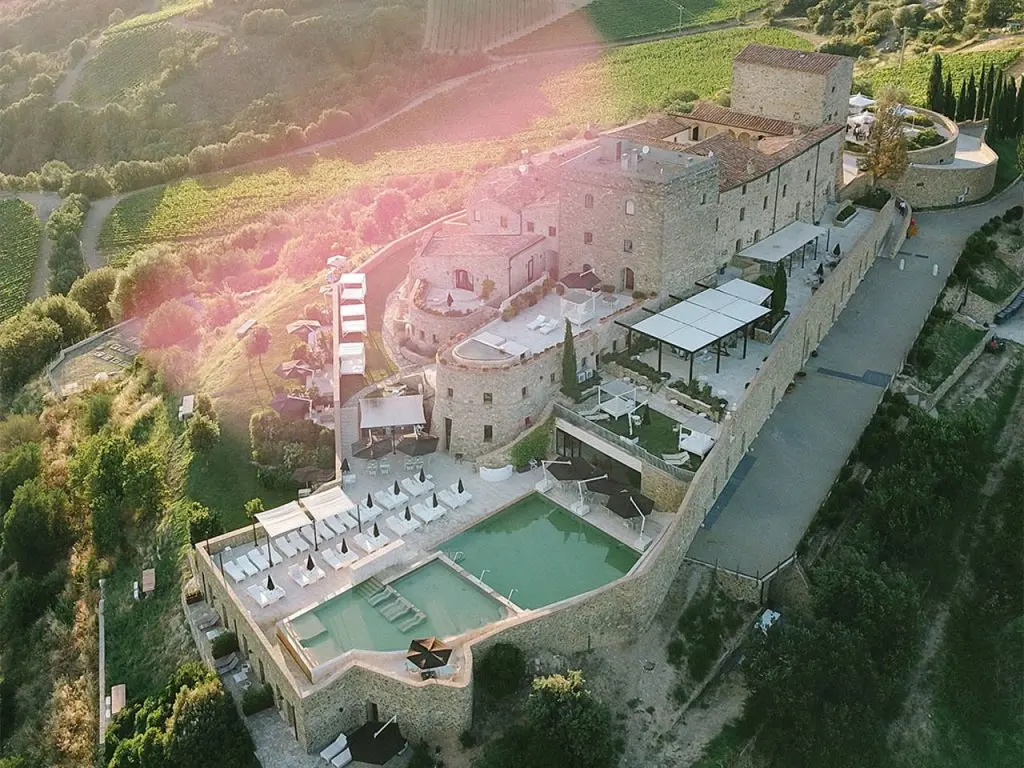
The thermal waters at Castello di Velona, fed by the mineral springs beneath the hill, below the fortress on the Val d'Orcia ridge.
Castello di Velona makes the case almost single-handedly. An eleventh-century fortress on a hilltop ridge above the Val d'Orcia, commanding an unbroken view of the most celebrated landscape in Tuscany, its lower level holds the OLISPA: fifteen hundred square metres of thermal spa, its indoor and outdoor pools connected by an underwater passage and fed by the mineral springs that rise beneath the hill. Many of its rooms have bathtubs plumbed directly with natural thermal spring water. A couple marrying here is not adding wellness to a wedding. They are marrying inside a wellness landscape that predates the celebration by a millennium.
The same logic, in a gentler register, runs through the great spa-forward estates of the region. At Castello di Casole, a Belmond hotel set in a 4,200-acre private estate in the Val d'Elsa hills near Siena, the Essere Spa and infinity pool sit alongside forty-one suites, so that a wedding party can take the whole estate and spend the days between events being genuinely looked after rather than merely entertained. At Villa Mangiacane, the fifteenth-century Machiavelli estate south of Florence, the Nadushka Spa and two outdoor pools turn six hundred acres of Chianti Classico vineyard into somewhere a celebration can slow down.
The OLISPA outdoor thermal pool at Castello di Velona.
The Val d’Orcia at sunset, seen from the ridge.
Castello di Casole, a Belmond estate of 4,200 acres near Siena, where the Essere Spa and infinity pool anchor the days between events.
An honest note on inventory and language, because this field is full of overstatement: these are spa-forward estates and, in Velona's case, a genuine thermal resort. They are not the dedicated wellness sanctuaries of the Six Senses or Aman school, and a couple who wants a clinical, program-led wellness retreat should say so. But for the far larger group who want a beautiful place that happens to take rest, water and food seriously, thermal Tuscany is as real as this category gets.
The Uncomfortable Truth: When Wellness Becomes the New Pressure
An honest account has to say the quiet part out loud. Wellness is now the most over-claimed word in luxury hospitality, and the wedding industry has been quick to borrow it. A single massage appointment and a bowl of granola do not make a wellness wedding, however the brochure describes it. Much of what is sold under the label is spa marketing wearing the language of transformation.
There is a subtler risk, and it is the more important one. A wellness itinerary, pursued too eagerly, becomes its own kind of exhaustion. When the sound bath is compulsory, the sunrise yoga is on the printed schedule, and the guests who wanted a lie-in feel they are failing at someone else's idea of restoration, the wedding has simply swapped one marathon for another. The couple who once over-programmed the party now over-program the recovery.
The genuine version resists this. Real restoration is mostly the absence of obligation: the permission to sleep late, to skip the class, to sit by the water and do nothing. The best wellness weddings are defined less by what they schedule than by what they leave unscheduled. Restoration cannot be enforced. It can only be made possible.
The Quiet Retreat of the Open Bar
Nowhere is the shift clearer than at the bar. For most of the modern wedding's history, alcohol was the engine of the celebration, the thing that loosened the room and powered the dance floor into the small hours. The wellness wedding does not ban it, but it quietly decentres it. The free-flowing open bar is giving way to a considered drinks list: a single excellent wine chosen for the meal, a pair of well-made low- and no-alcohol cocktails treated with the same seriousness as their spirited counterparts, and water, still and sparkling, offered as though it mattered.
This is not abstinence dressed up as virtue. It is a recalibration of what an evening is for. When the bar is no longer the only social centre of gravity, other things move to the centre: the food, the conversation, the walk after dinner, the fact that everyone can be present the next morning rather than nursing the night before. The best hosts have noticed that a guest who is genuinely looked after drinks less without being asked to, and that a celebration built around wellbeing rather than excess tends to be remembered as generous rather than sparing.
LWD Perspective
The future of the luxury wedding will not be measured by how much it dazzles, but by how its guests feel on the journey home.
The data confirms what the best hosts already sense: wellness is not a passing enthusiasm but one of the most durable shifts in how affluent people spend, and thermal and spa-led travel sits close to its centre. But the same instinct that makes a wellness wedding beautiful can, overdone, make it oppressive. The difference between a celebration that restores and one that merely performs restoration is not the budget, and it is not the number of treatments on offer. It is restraint.
The couples choosing this path are asking for something quietly radical: a wedding that gives more than it takes. The task, for everyone who serves them, is to protect the thing that makes it work, which is space. Not another experience. Time to do nothing, somewhere beautiful, with the people they love.
Rest, it turns out, was always the rarest luxury. It simply took the wedding industry a while to notice.
The Wellness Wardrobe
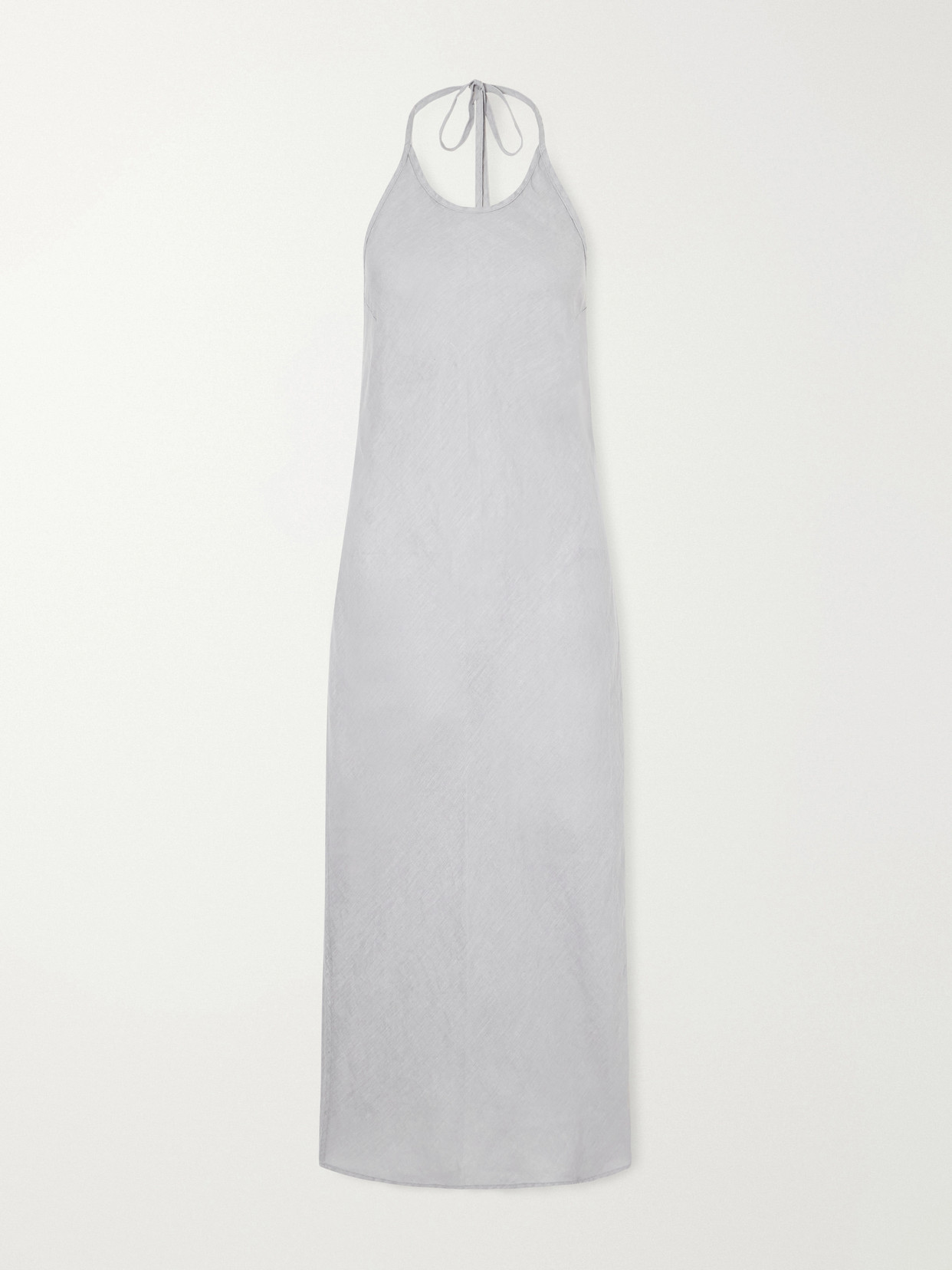
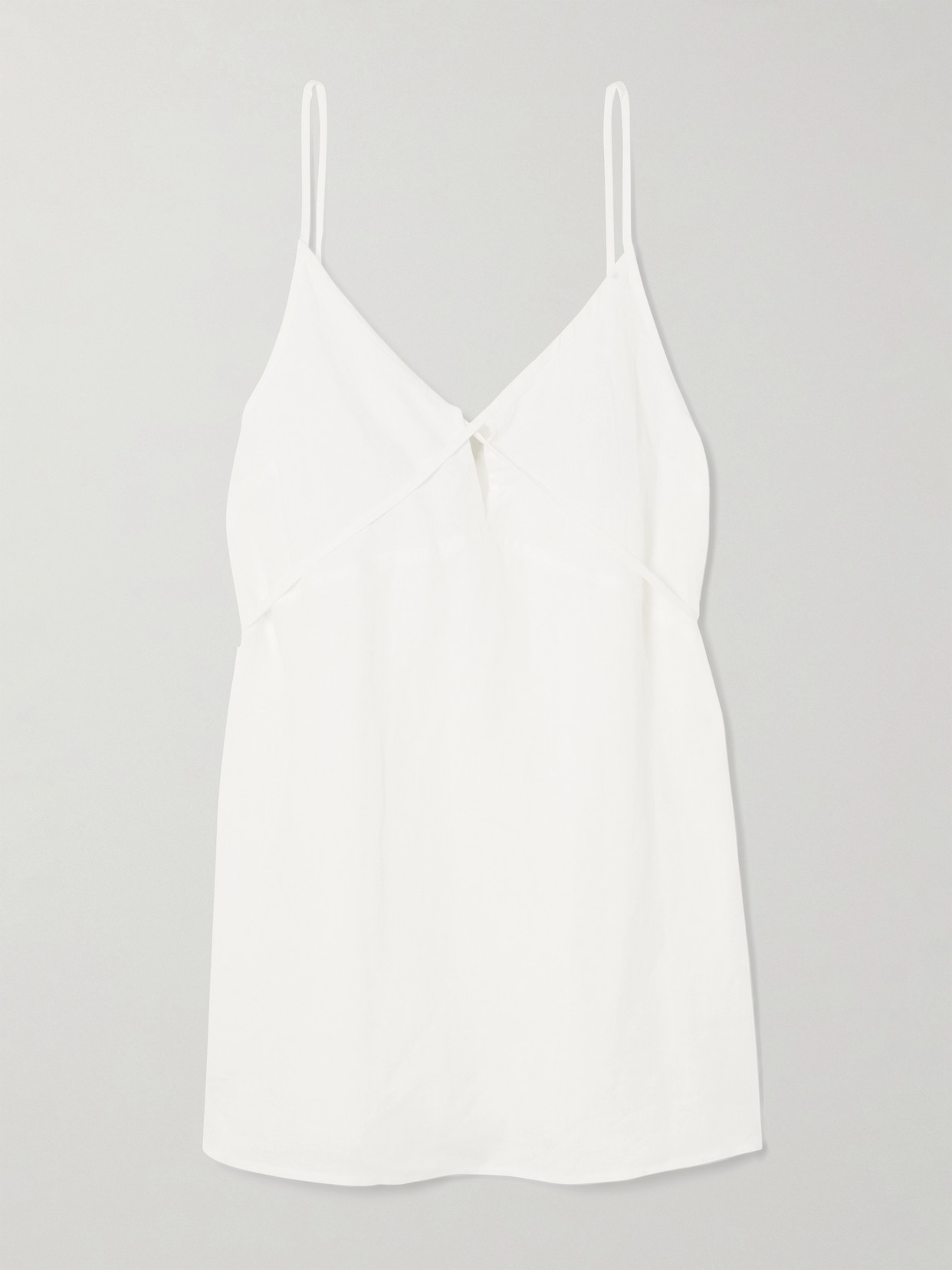
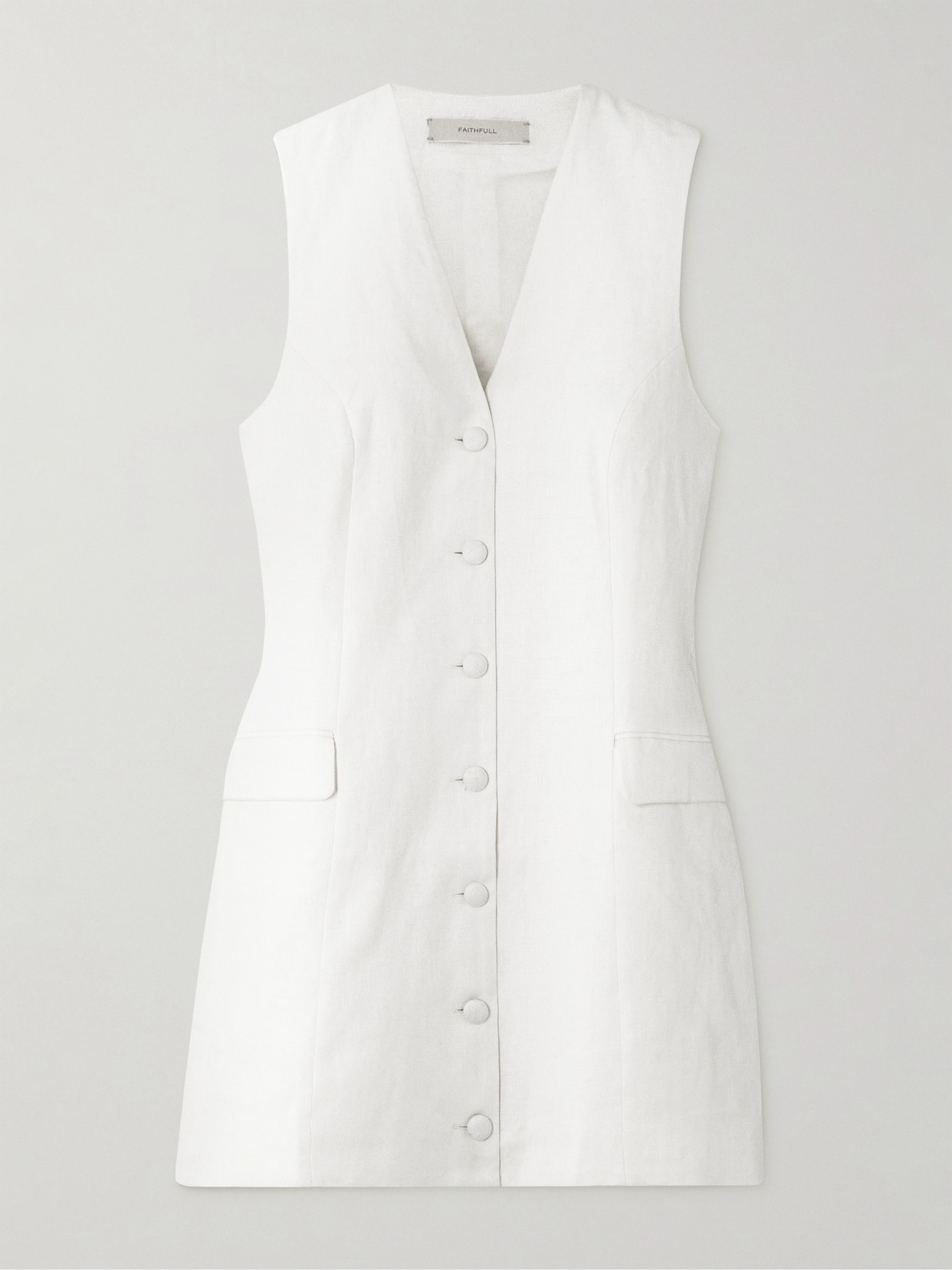
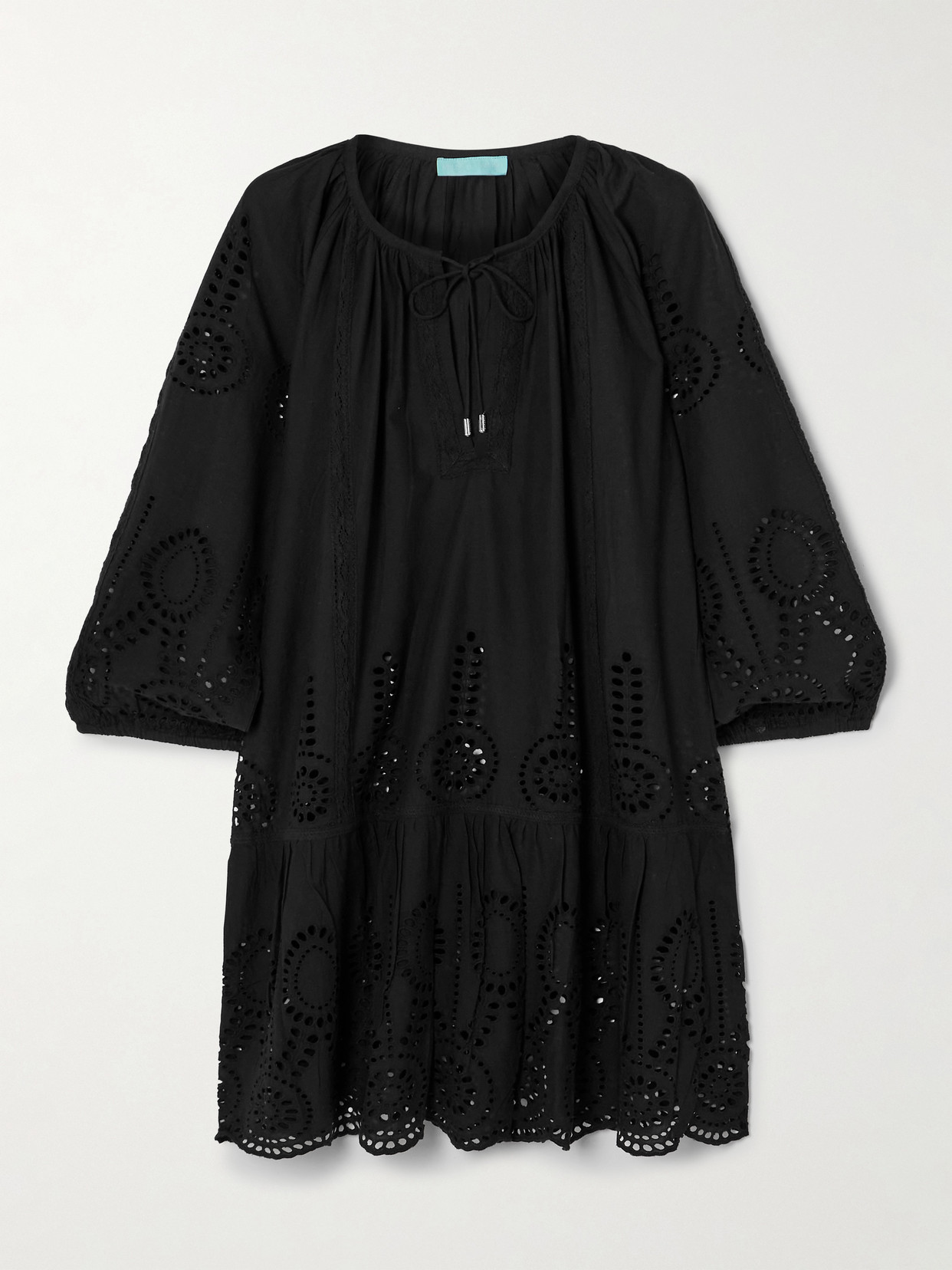
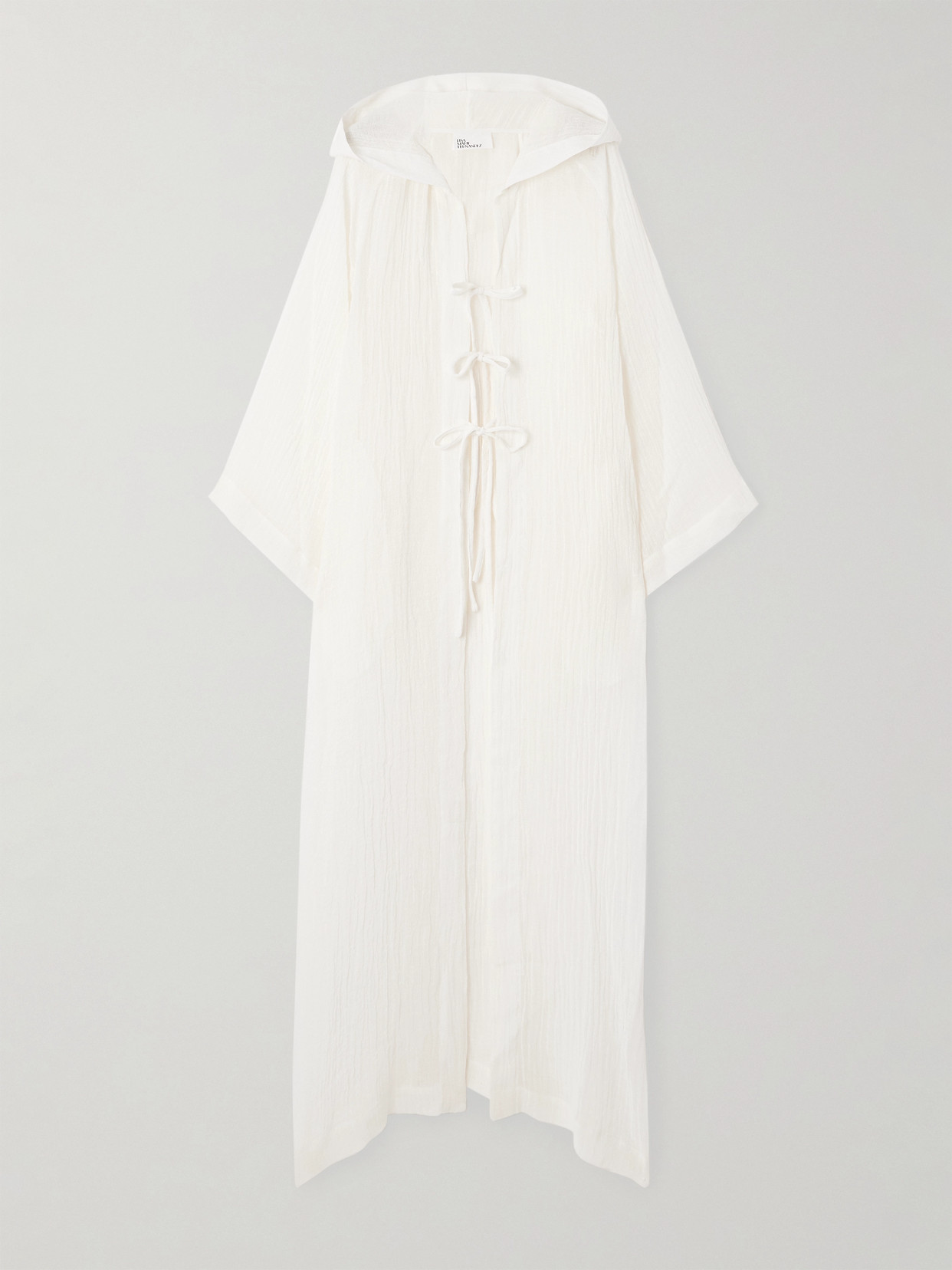
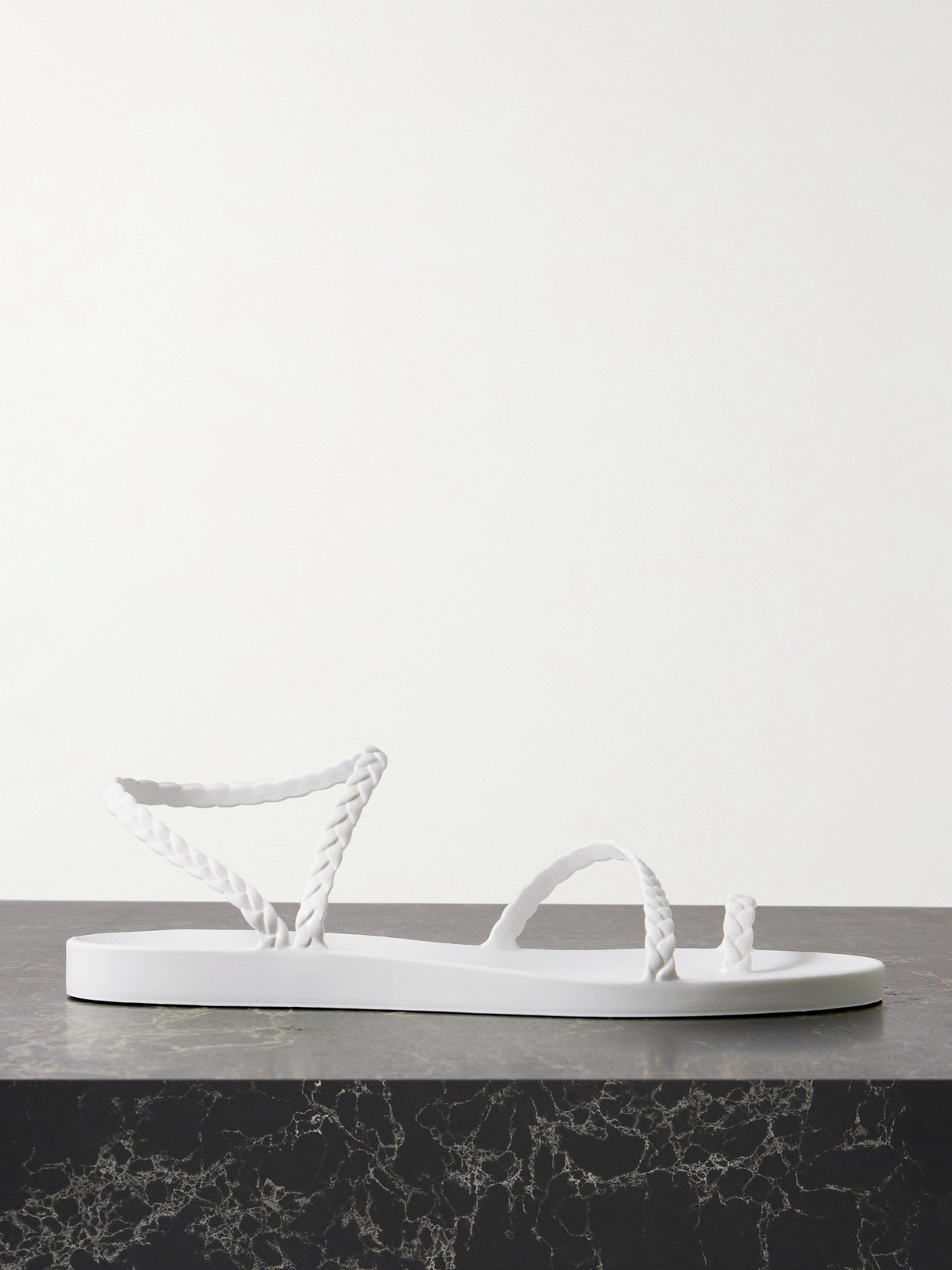
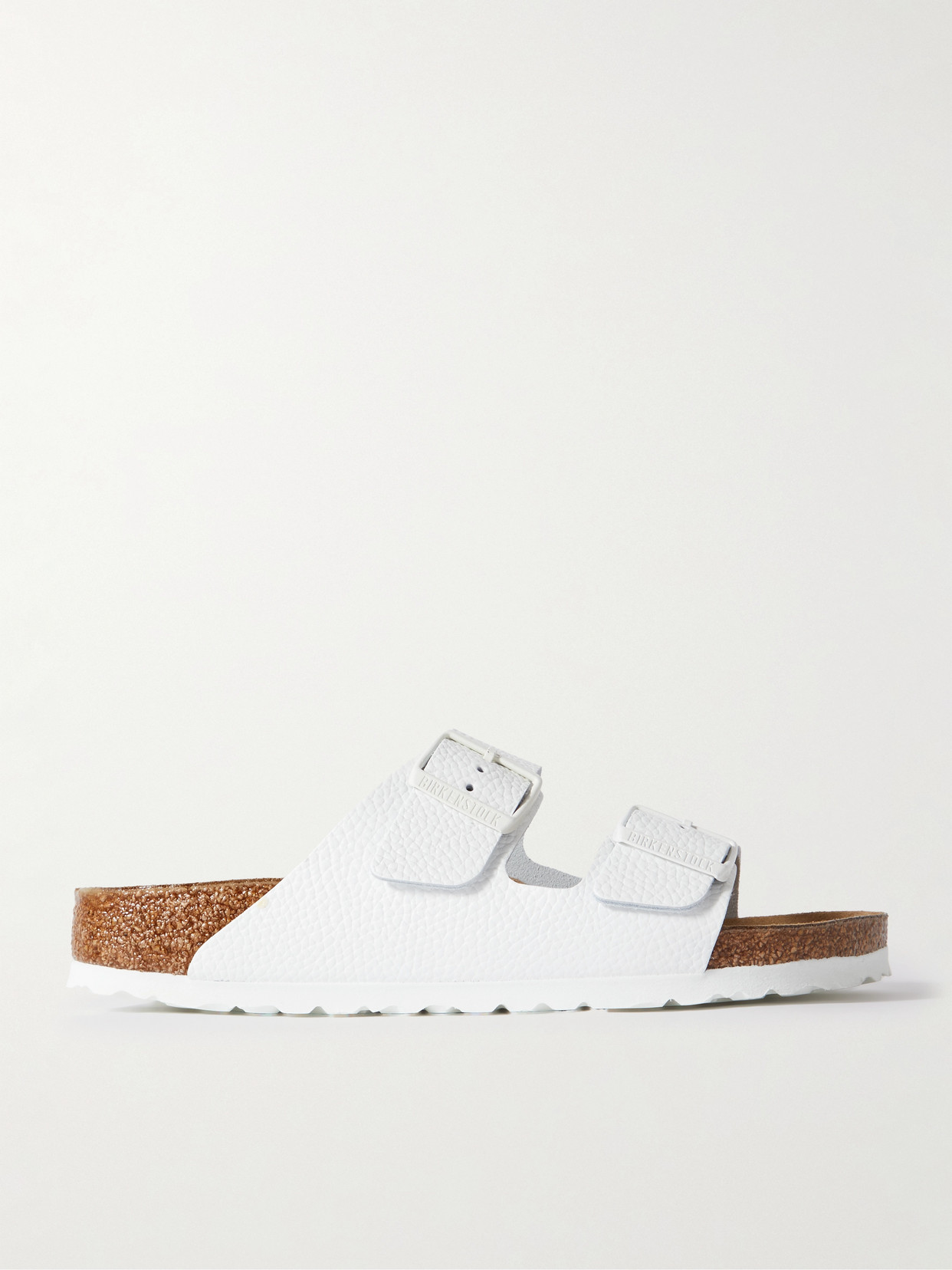
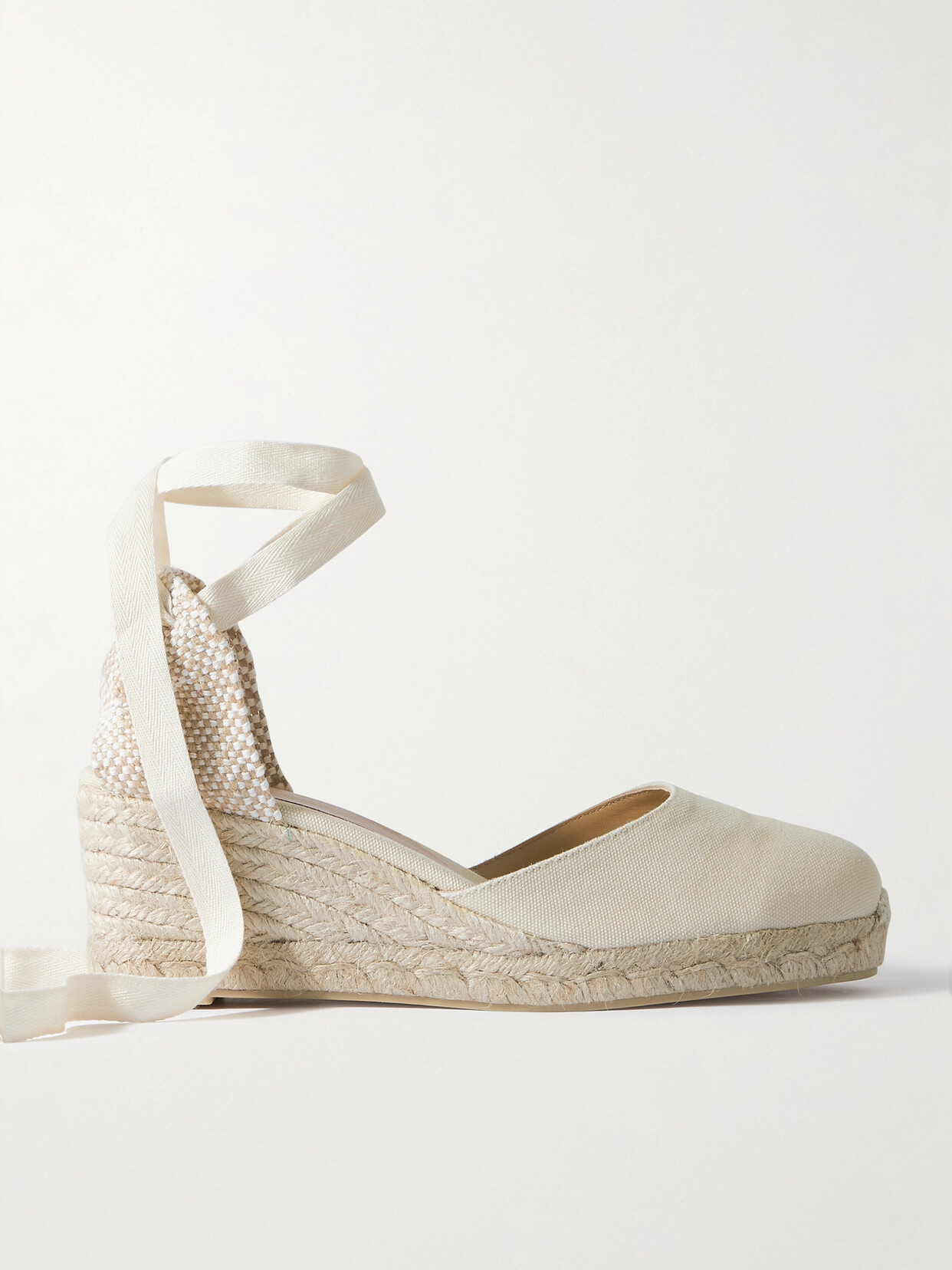
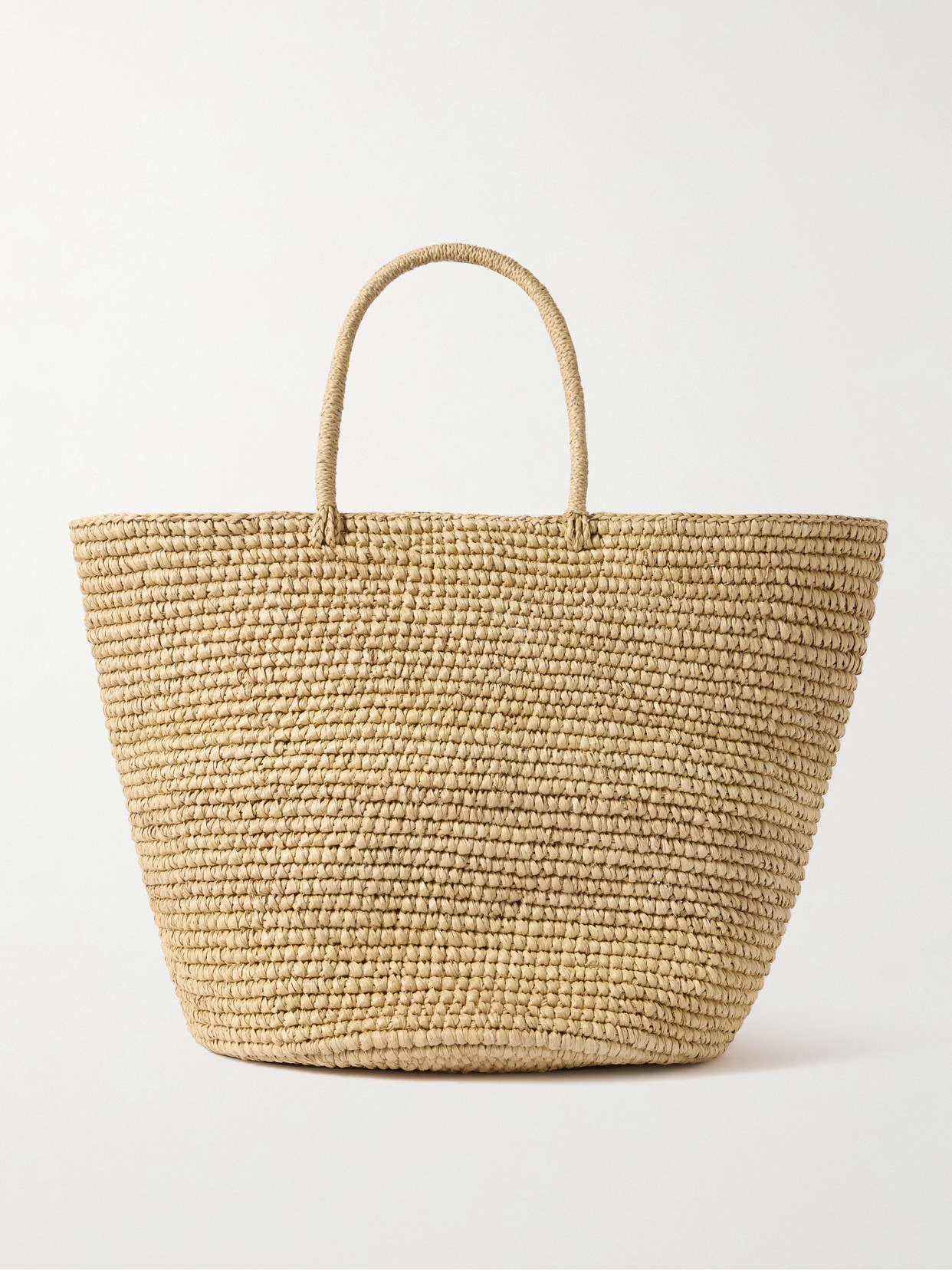
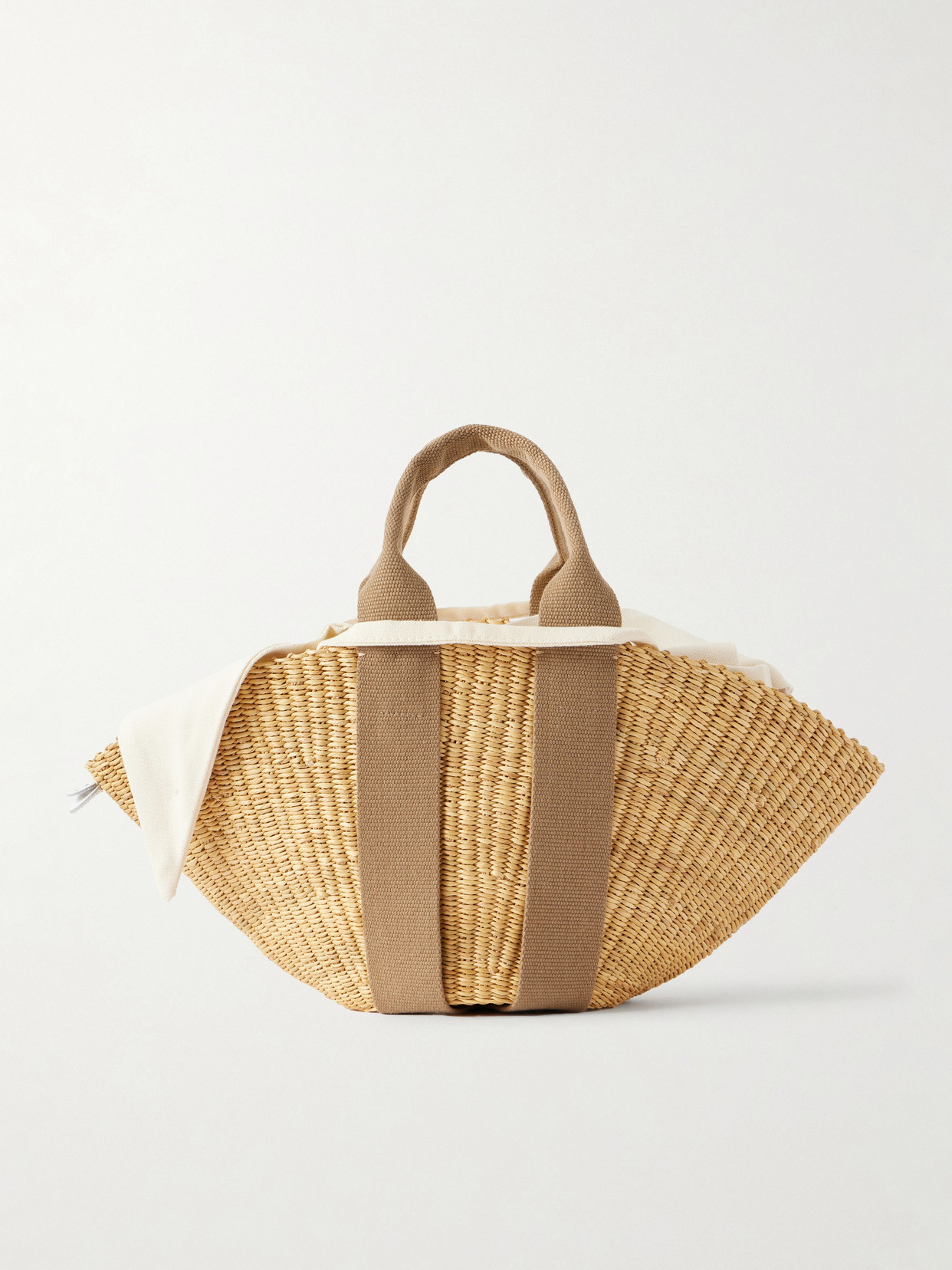
A wellness wedding asks little of a wardrobe beyond ease. Natural fabrics, flat sandals, pieces that move from the thermal pool to a long lunch without a second thought. A small edit for days built around rest.
Packed for Ease
Linen, raffia and pieces chosen for how they feel. What to pack for days built around water, rest and slow lunches in the Tuscan sun.
The Wedding Weekend Revolution: Why One Day Is No Longer Enough Why Quiet Luxury Has Changed Destination Weddings
Written by
Taiwo Adedayo
Founder & Editor-in-Chief
Taiwo Adedayo is the founder and Editor-in-Chief of Luxury Wedding Directory. With a decade of experience covering the world's most extraordinary celebrations, he leads the editorial vision of LWD: defining what luxury means for the modern couple.
Filed under
Share
The LWD Edit
You May Also Like
Destinations
Getting Married in Umbria
LWD Team·11 min read
Destinations
Getting Married on Lake Como
LWD Team·10 min read
Venues
Kasbah des Caïds
The Editorial Team·5 min read
Venues
Finca La Concertista: An Exclusive-Use Olive Grove Wedding in the Penedès
The Editorial Team·5 min read
Venues
Burlamacchi Villas
The Editorial Team·5 min read
Venues
Casale de' Pasquinelli: A Tuscan Villa Wedding in the Hills of Lucca
The Editorial Team·5 min read
Venues
Villa Paola
The Editorial Team·5 min read
Venues
The Chedi Luštica Bay
The Editorial Team·5 min read
Venues
Castello di Montignano: An Exclusive Castle Wedding in the Hills of Umbria
The Editorial Team·5 min read
Venues
Castello di Solfagnano
The Editorial Team·5 min read
✦We use cookies
We use essential cookies to make our site work, and optional cookies to personalise content and improve your experience. By clicking Accept All, you agree to our use of cookies. · Cookie Policy